Photography
Photographic works
This collection brings together photographic works from various long-term projects realized in some of the most remote and extreme territories across the globe. Each image explores the silent dialogue between human presence and the vast, unyielding scale of nature.
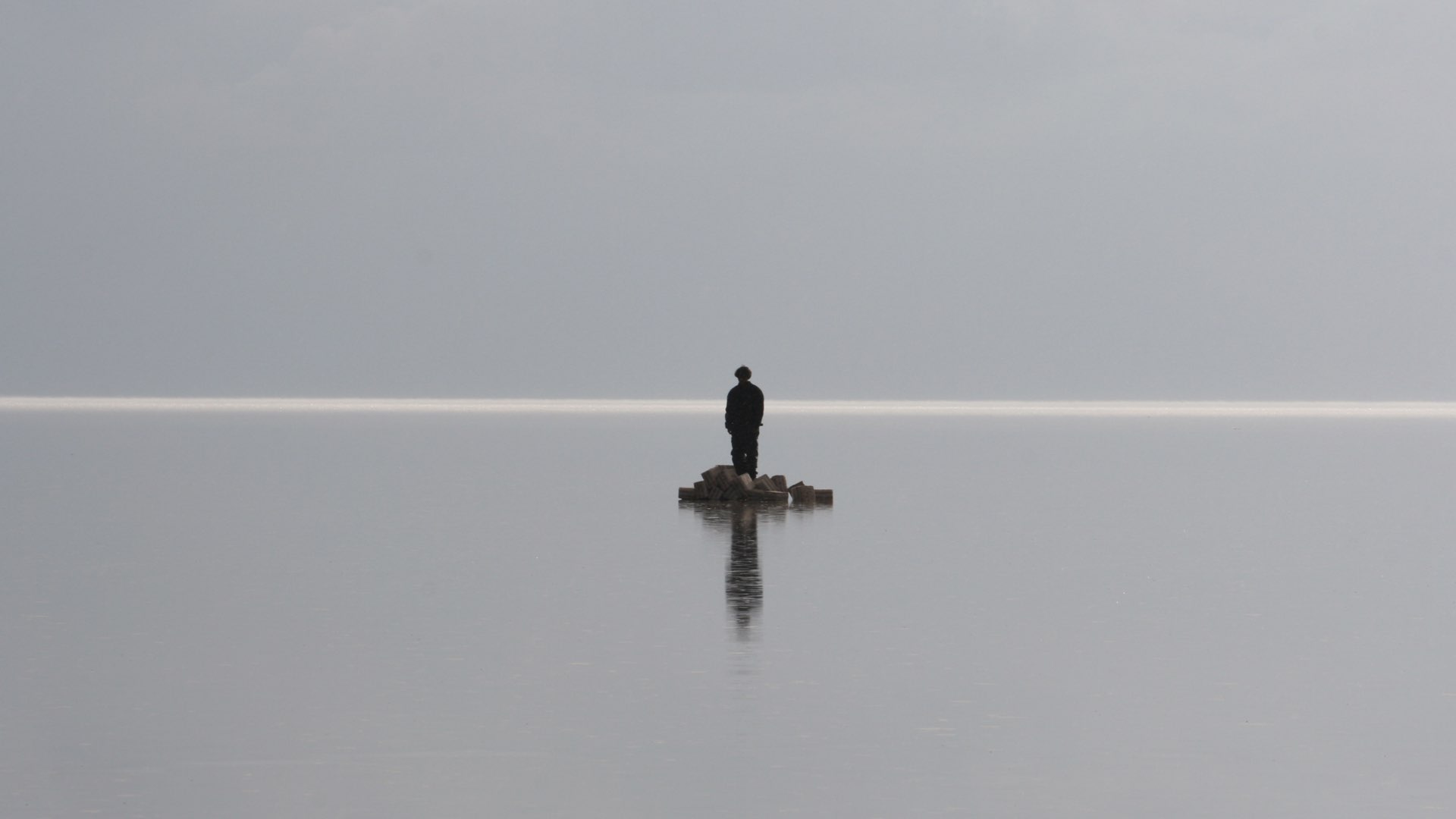
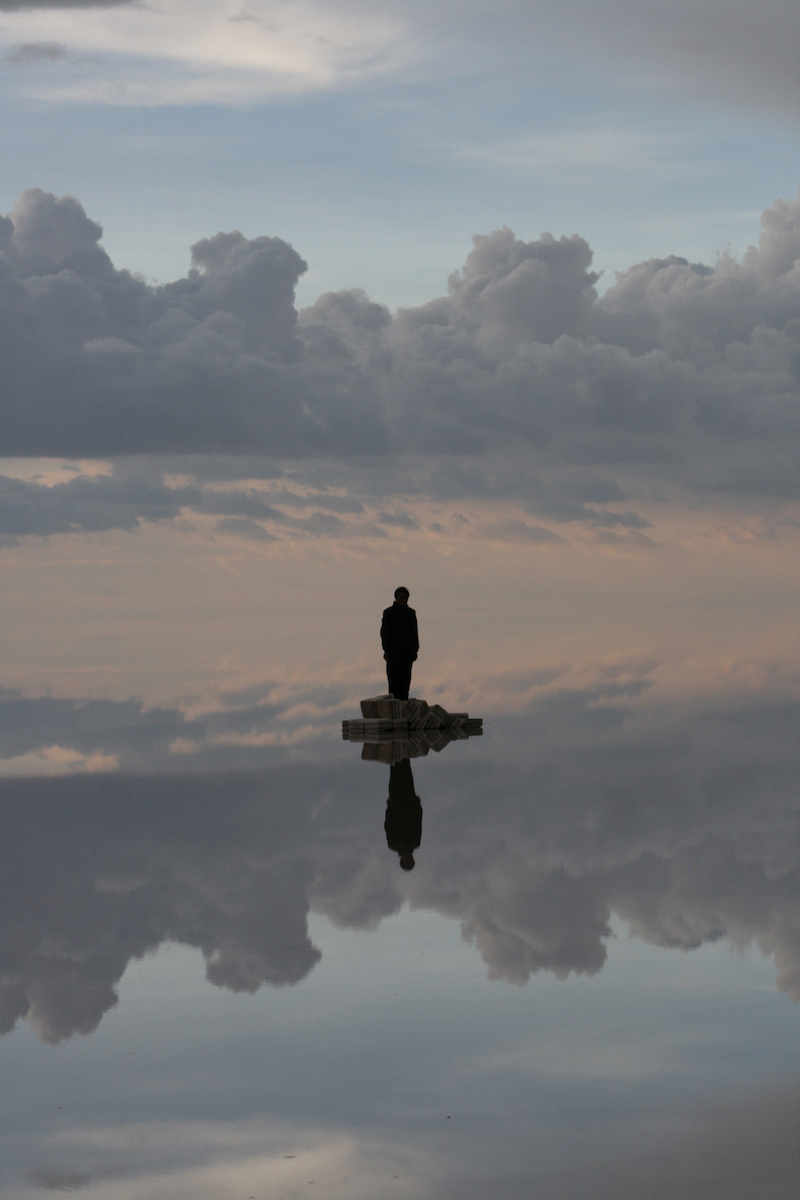
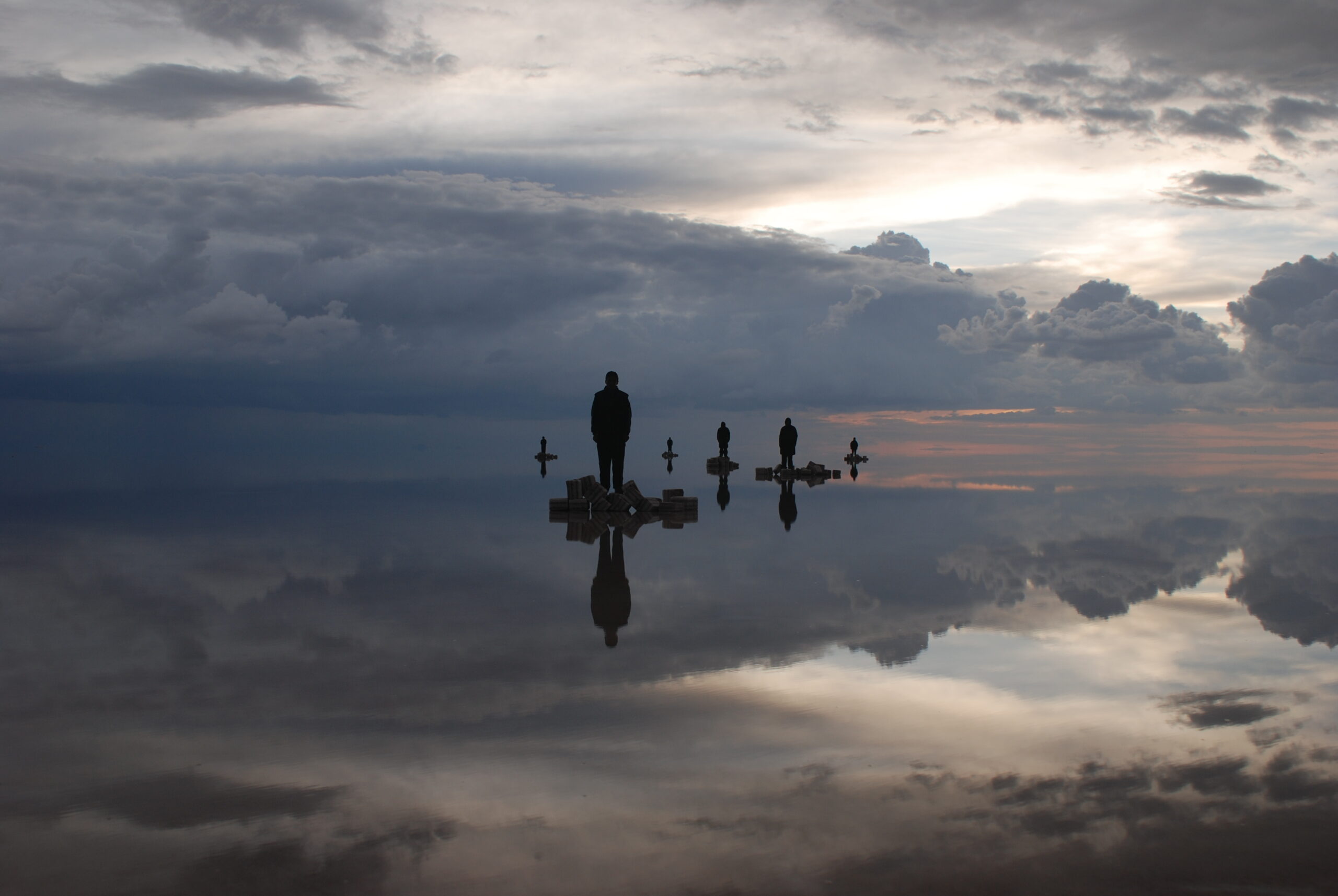
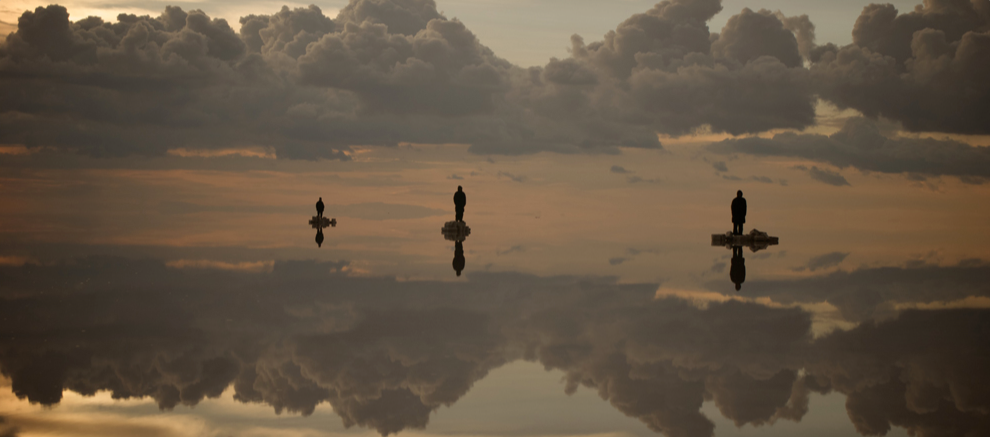
El naufragio de los hombres #1095, Inkjet, 150 cm x 220 cm
Salar de Uyuni, Bolivia, 2008
The photographic series El naufragio de los hombres (The Shipwreck of Mankind) was created in close collaboration with members of the Aymara community in the Salar de Uyuni. The works are organized chronologically by day, as each stage of the process introduced distinct elements that defined the nature of the images. Throughout the project, changing landscape conditions brought unpredictable colors and sudden storms. Structurally, the series evolved from vast, open spaces to the inclusion of salt blocks that arrived in later days—shifting the focus from long walks across the salt flats to the creation of isolated archipelagos. Consequently, the prefix ‘Day 1’ or ‘Day 4’ in each title marks the specific atmosphere and landscape reality of the day it was captured.

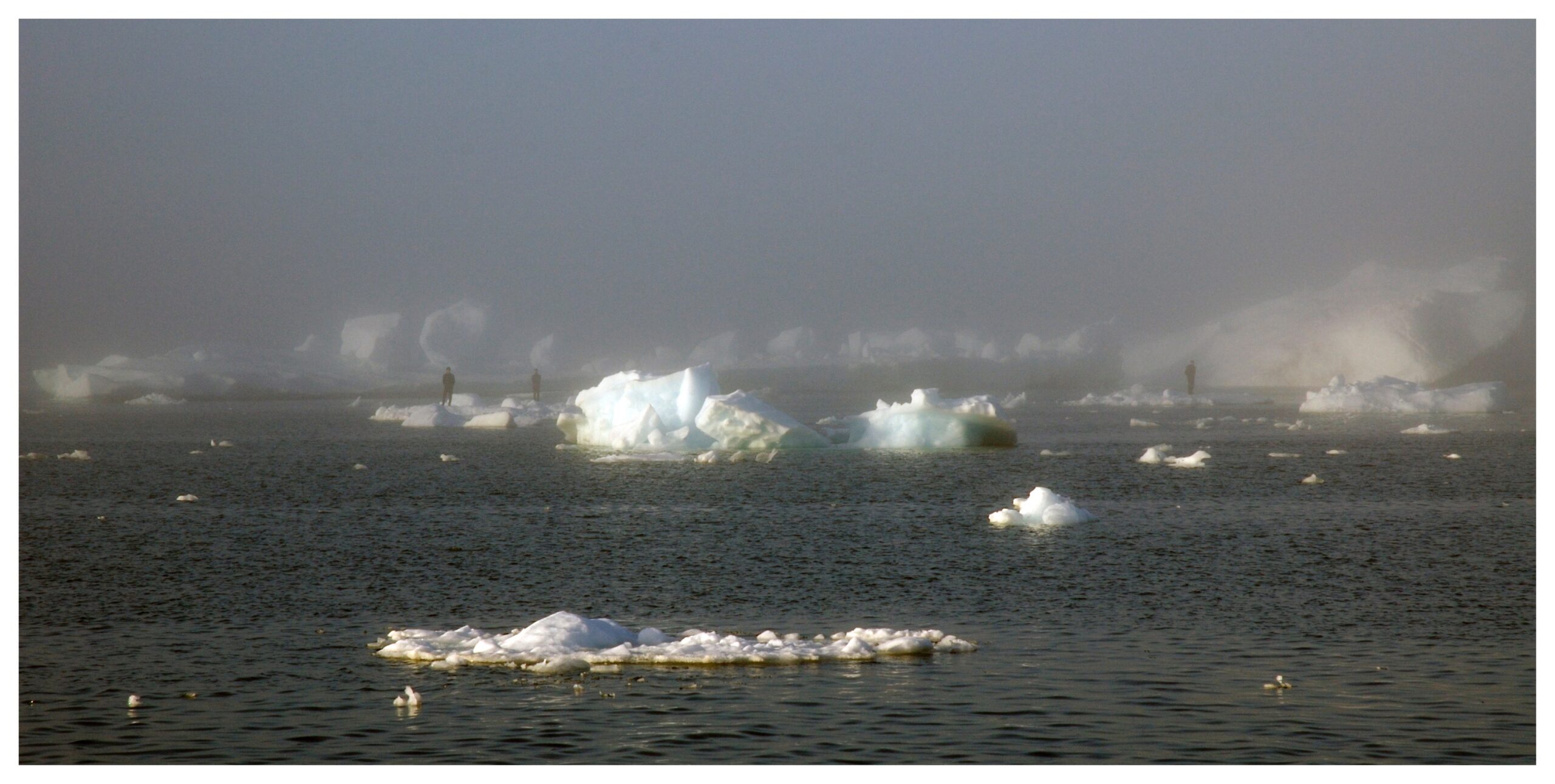
Beyond the end, Hombres en tempanos, Inkjet, 150 cm x 250 cm
Upernavik, Greenland, 2006
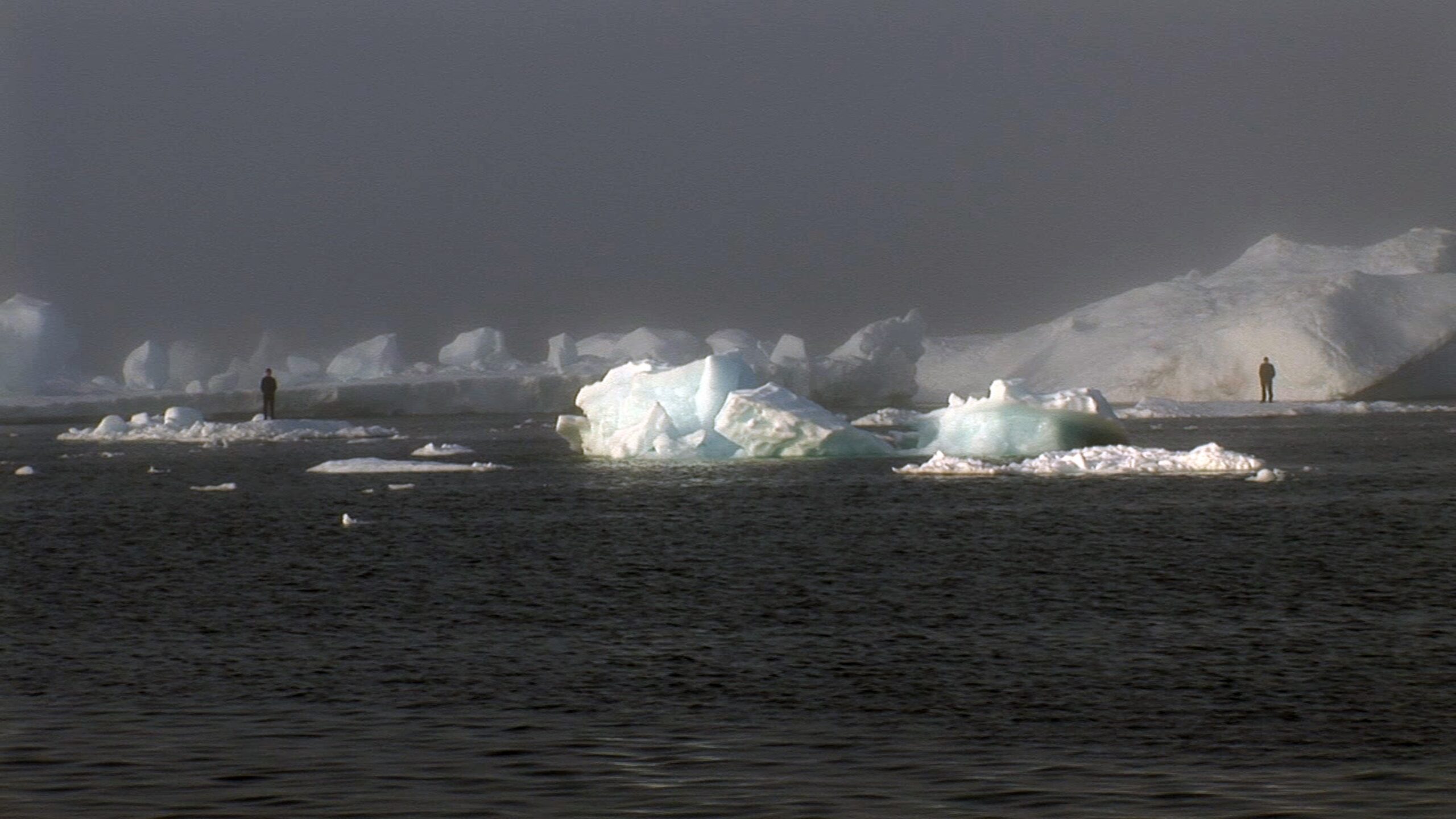
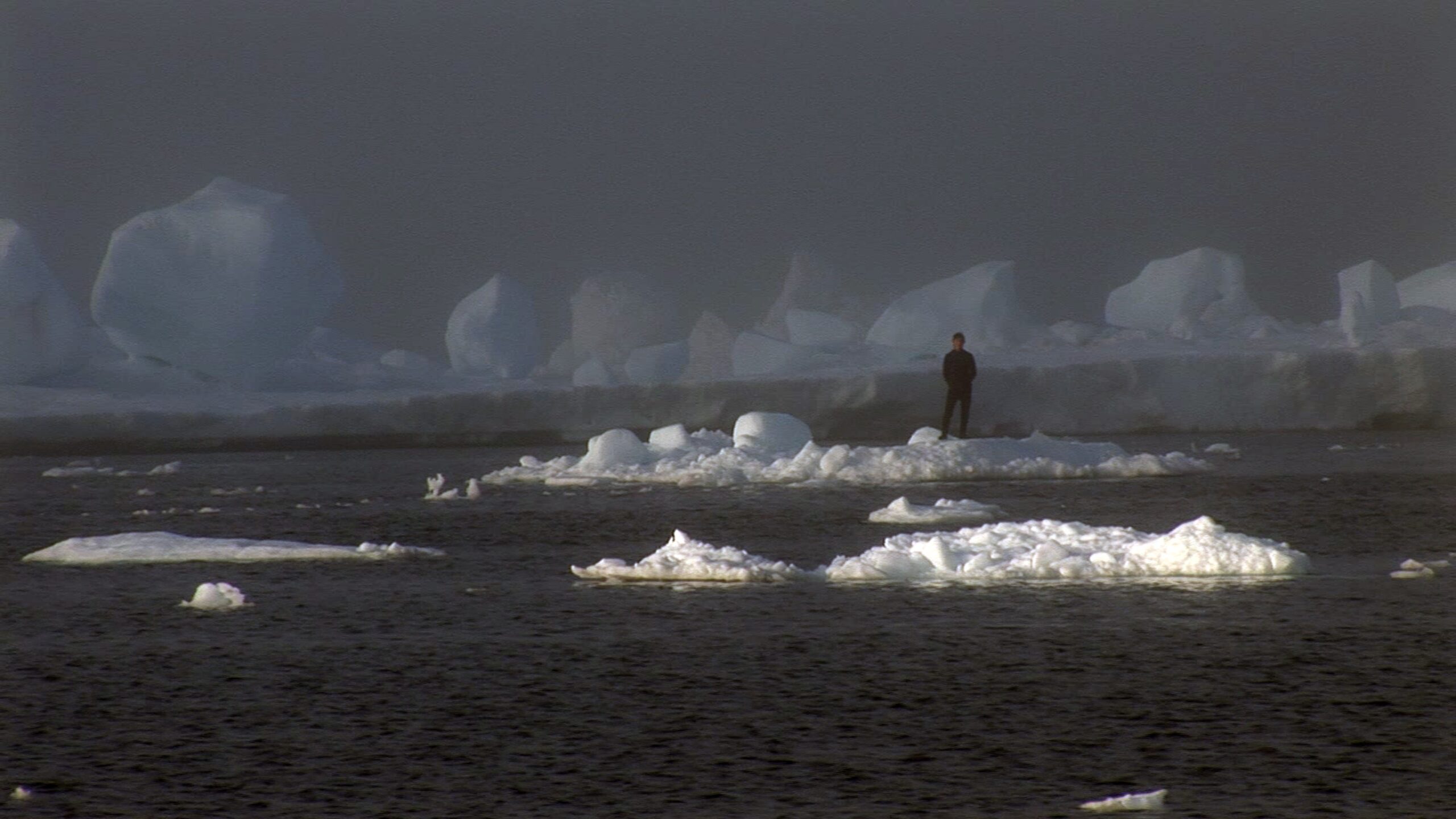
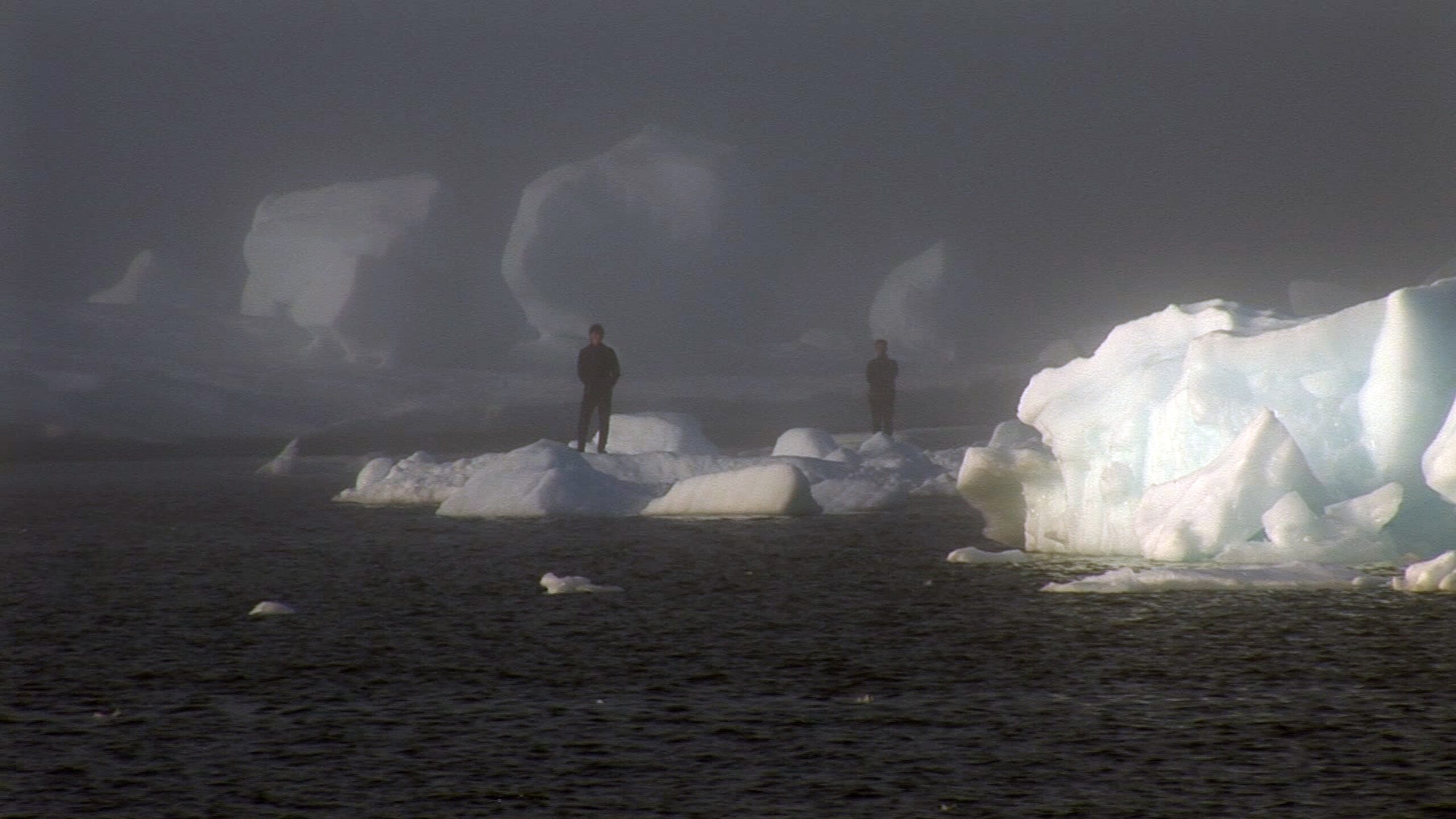
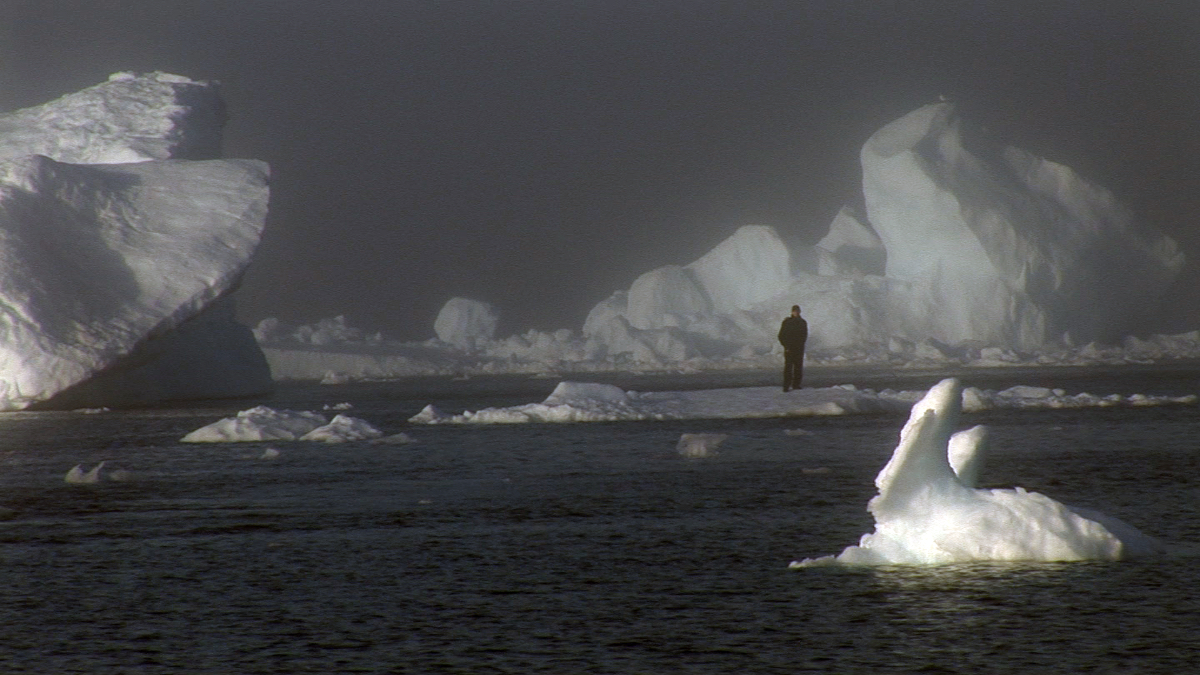
The photographic series Beyond the End (2006–2007) was realized in Upernavik, Greenland—located deep within the Arctic Circle—in close collaboration with members of the local Inuit community, under the coordination of Bo Albrechtsen. The expedition took place during July, enduring an average temperature of 0°C. This work is a core chapter of the Polar Project, a long-term endeavor conceived three years prior during an expedition to Antarctica. While working at the Argentine Comodoro Marambio Base, surrounded by a predominantly military and scientific mindset focused on survival rather than connection to the environment, Nijensohn realized the project needed to shift. This pivotal experience led to the decision to continue the project in the Arctic, engaging directly with the Inuit community, whose profound relationship with the ice and the open air redefined the human presence within these extreme territories.


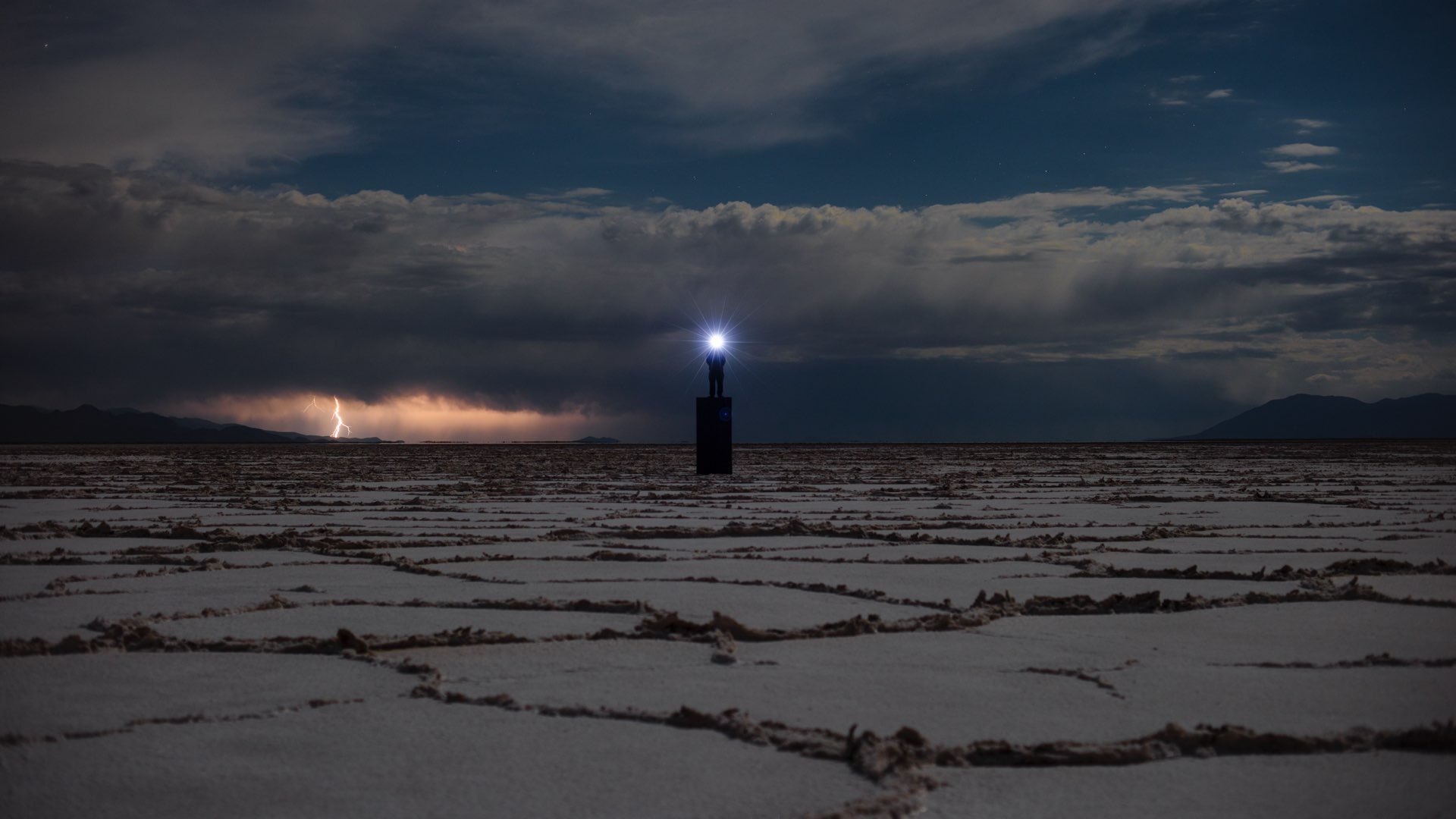
The cycle of intensity, XX Día #1095, Inkjet, 150 cm x 220 cm
Salinas Grandes, Jujuy, 2016
The Cycle of Intensity (2016) explores the sublime and fragile scale of human presence within extreme natural territories. Conceptualized and directed by Charly Nijensohn, the project was developed in close collaboration with the indigenous communities of Pozo Colorado, Santuario Tres Pozos, and El Colorado. This work carries historical and conceptual roots that trace back to Un acto de intensidad (An Act of Intensity), a seminal piece realized in 1998 by the historic Argentine artist collective Ar Detroy (Leandro Pérez, Ariel Pumares, Marcelo Valiente, Miguel Mitlag, Carlo Pelella, Juan Manuel Salas, and Charly Nijensohn).
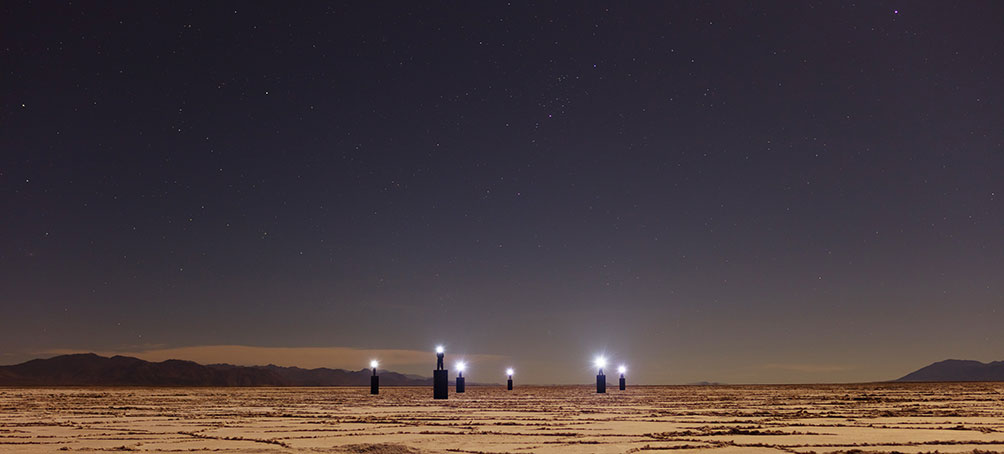
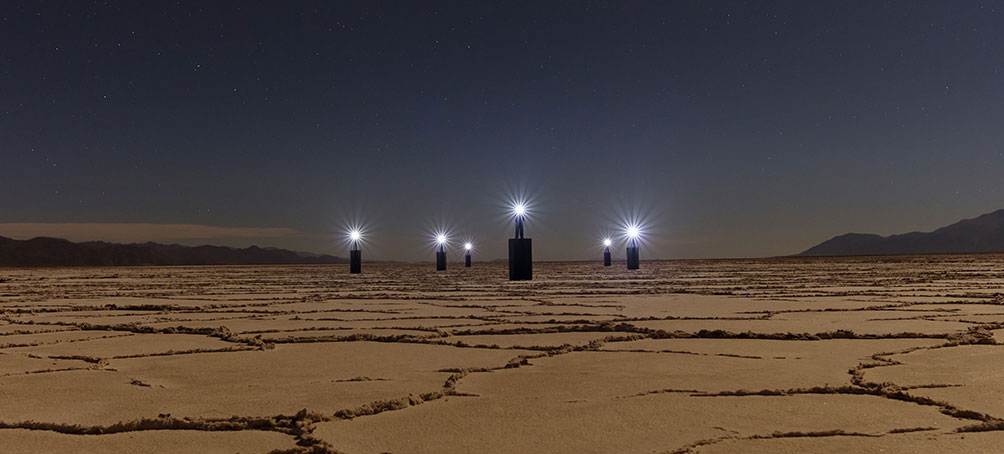
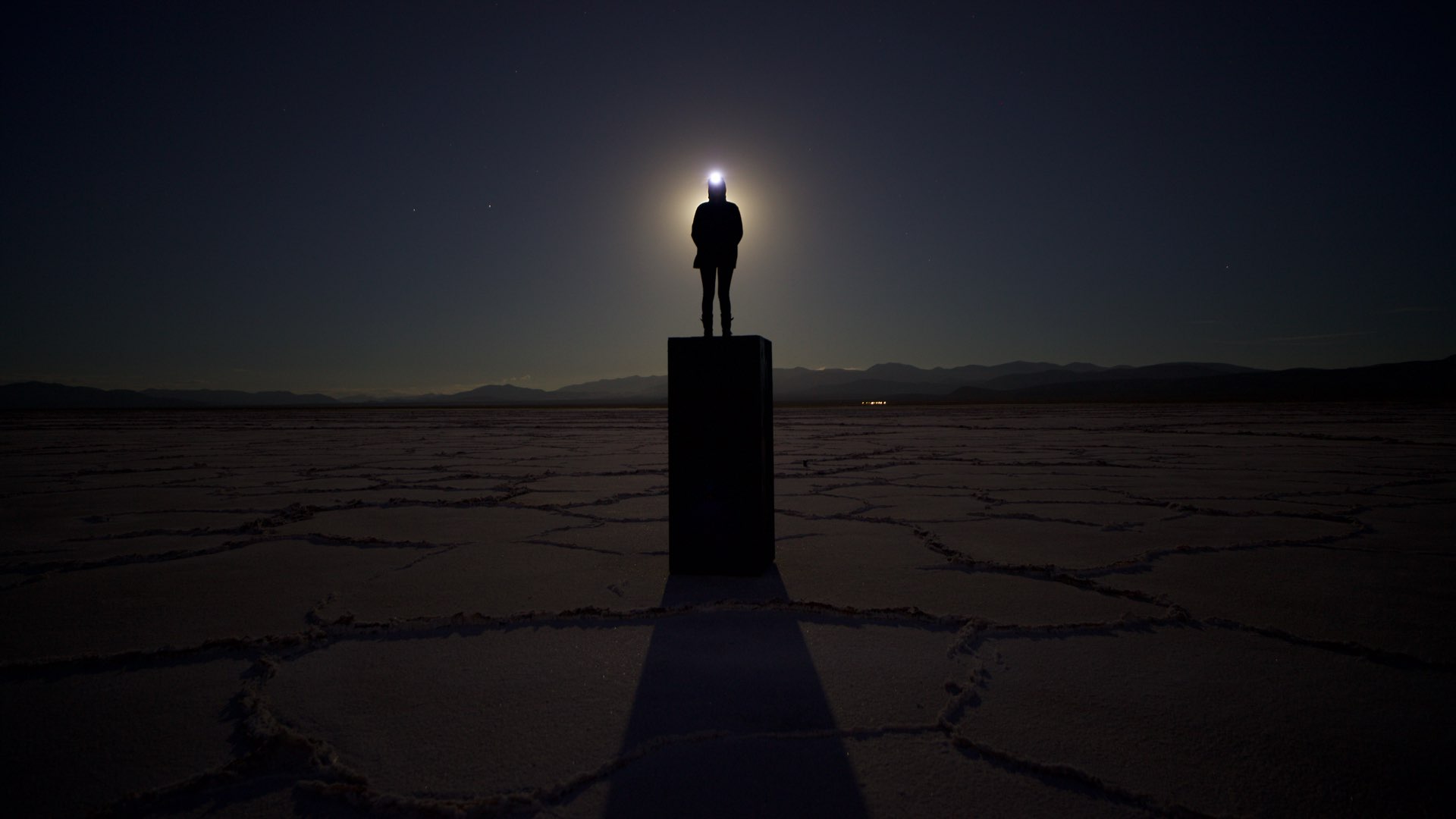
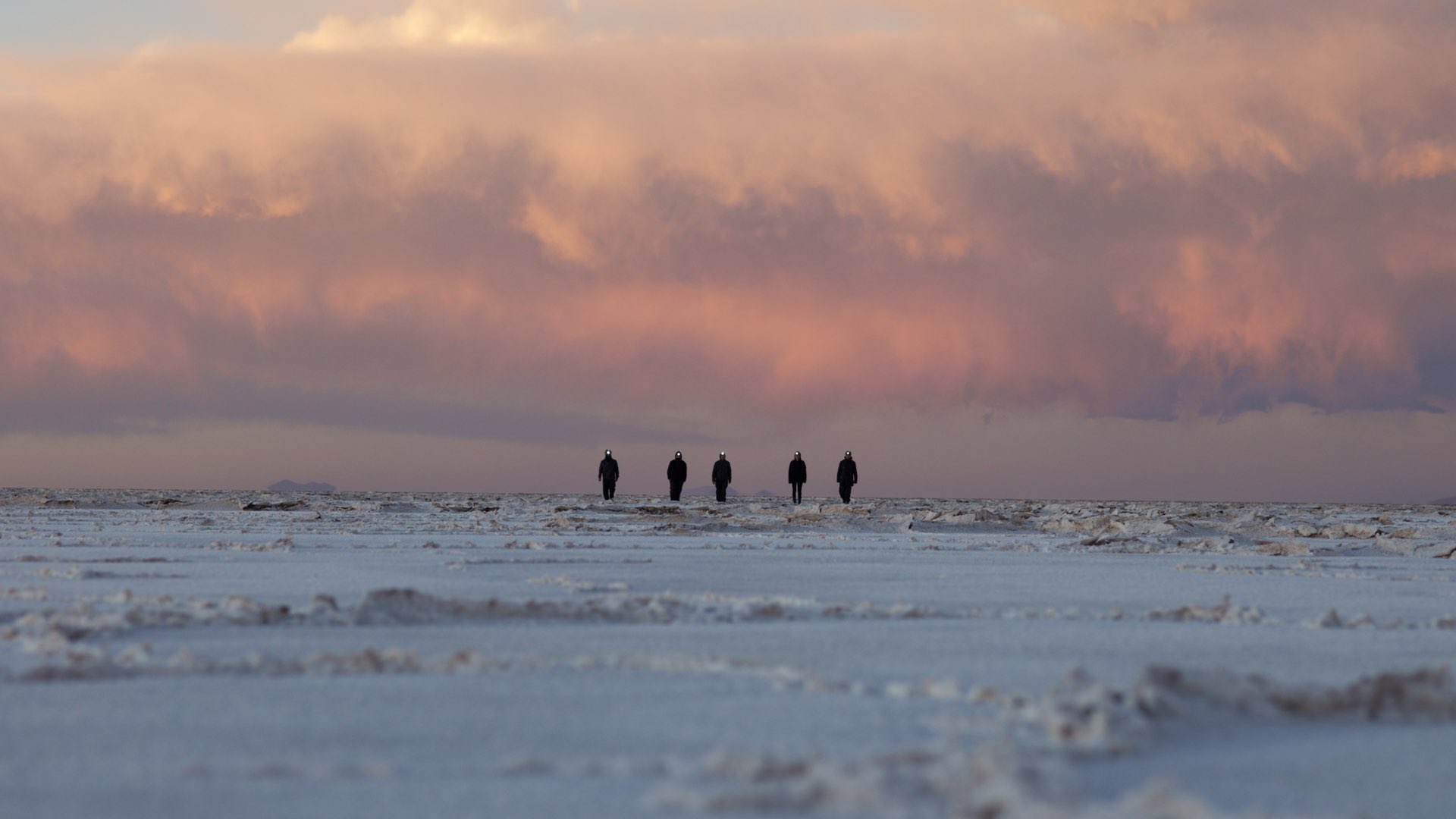
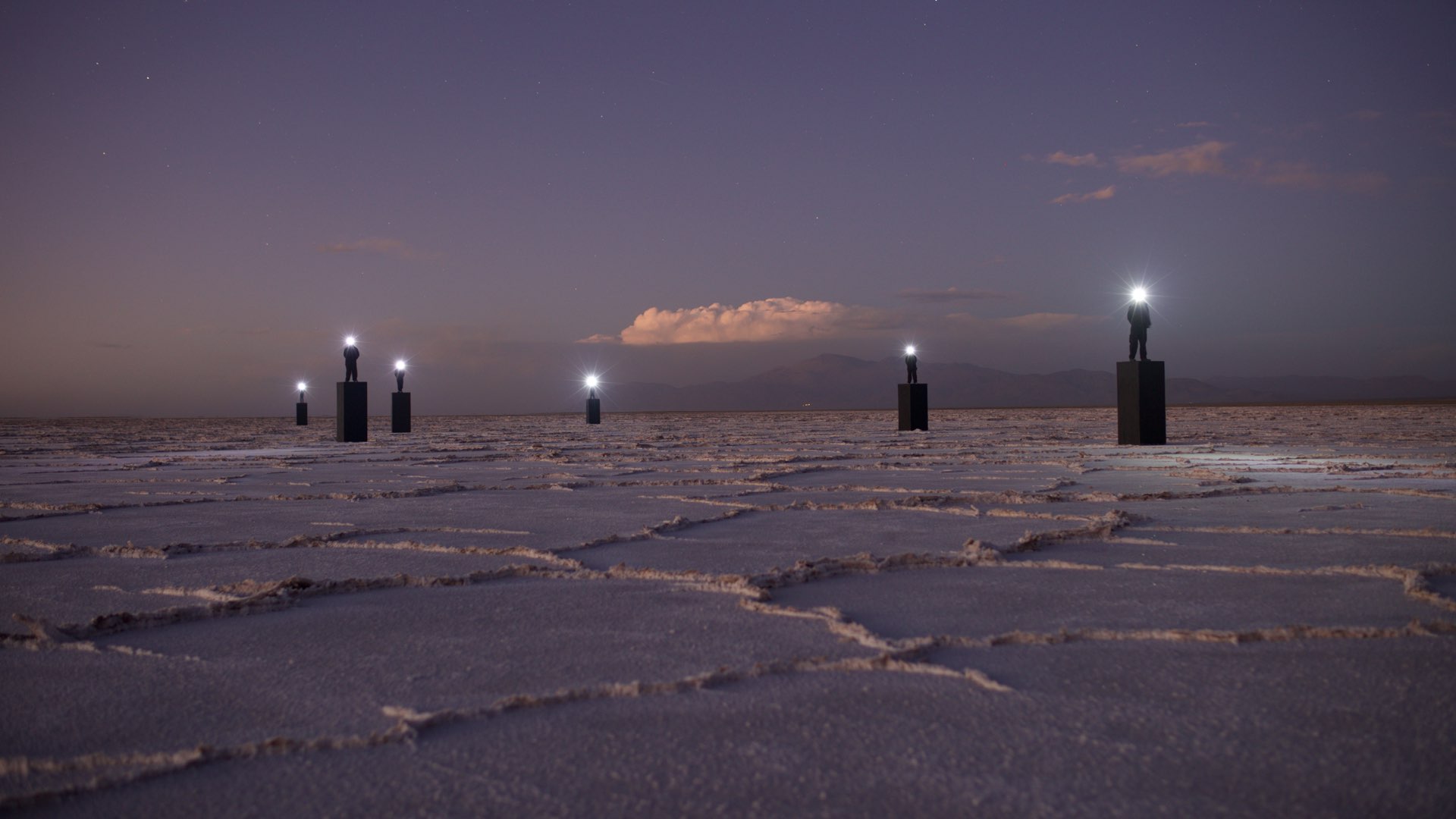
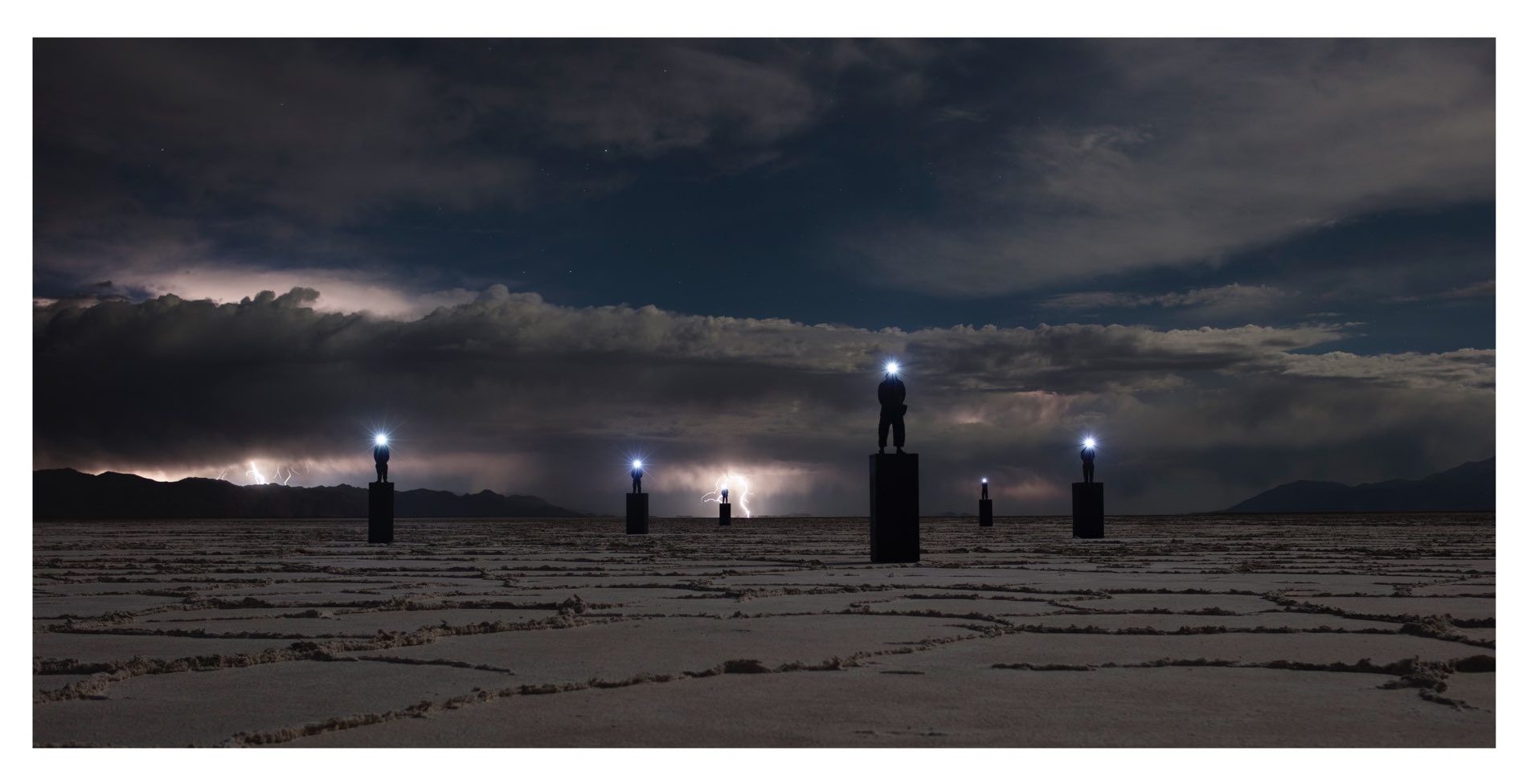

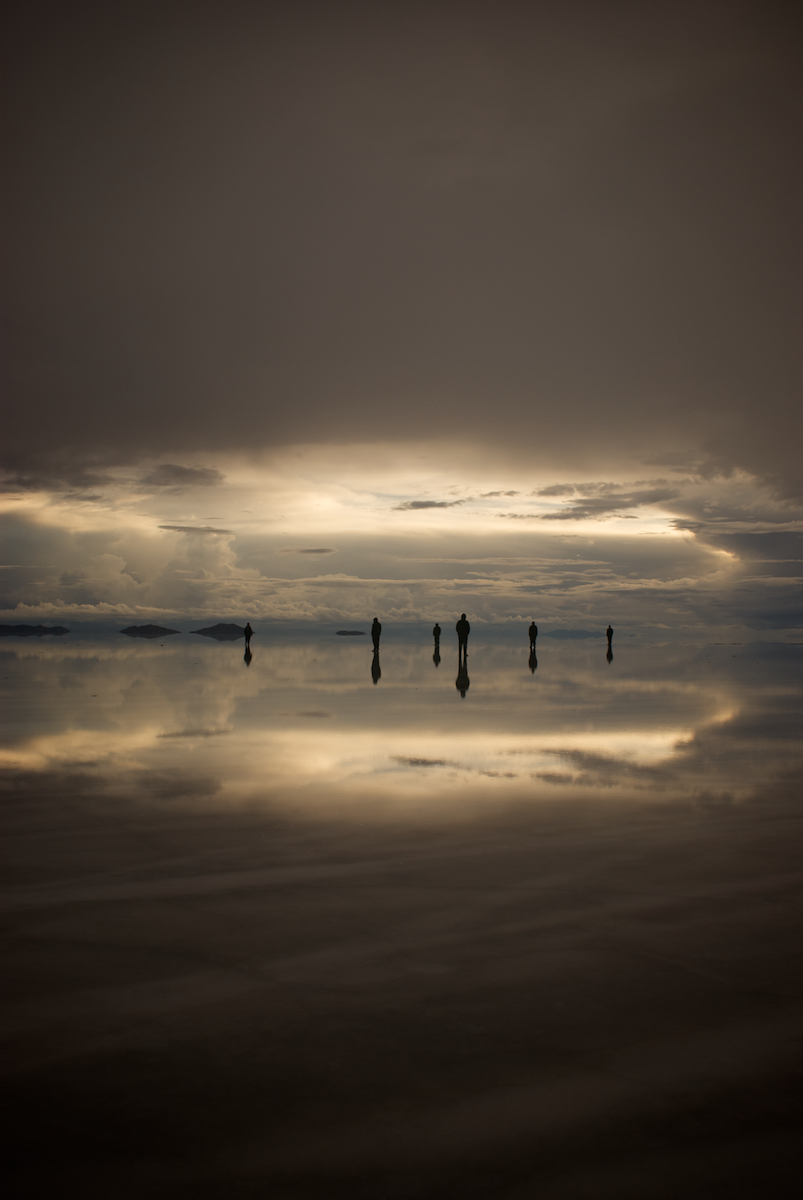
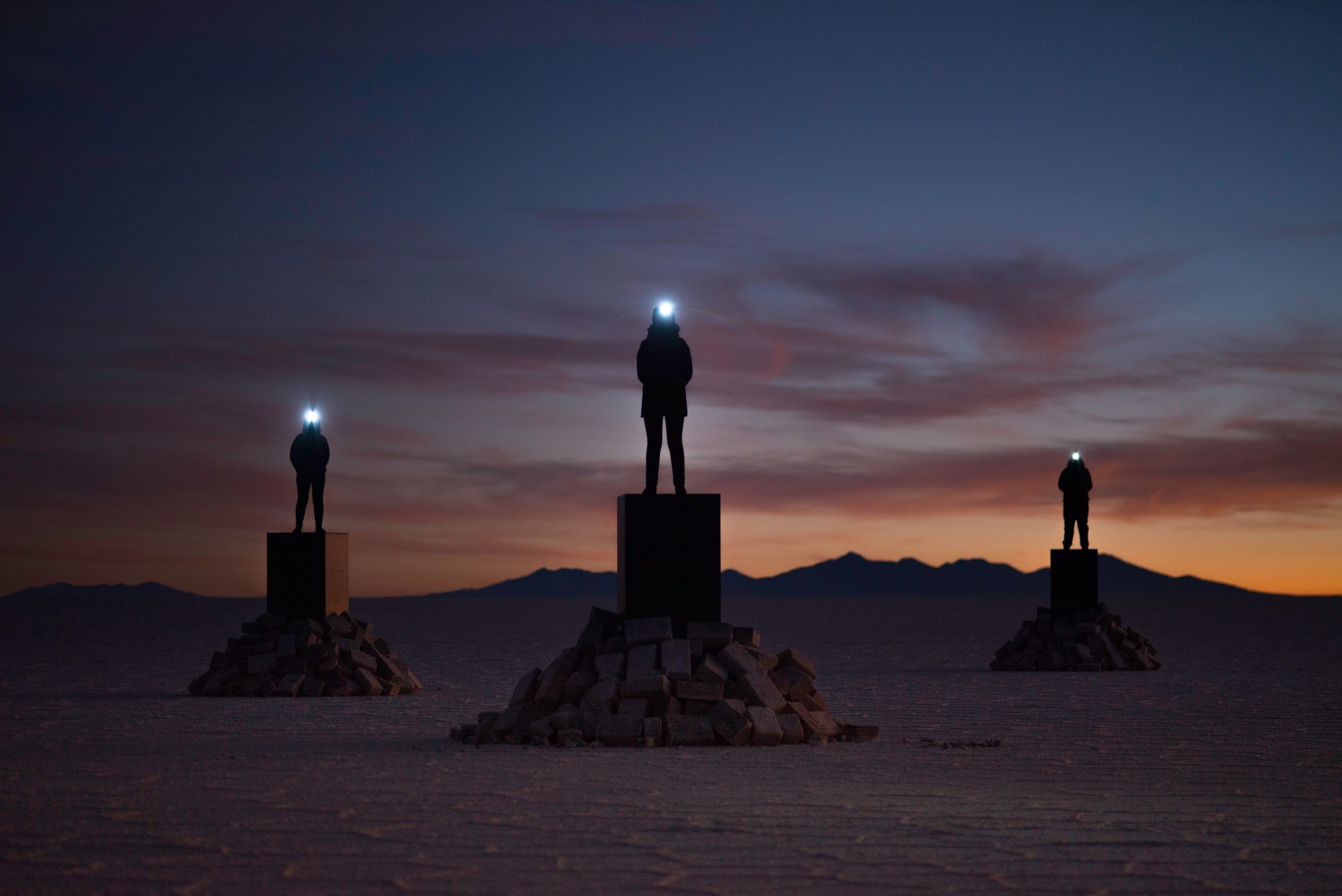
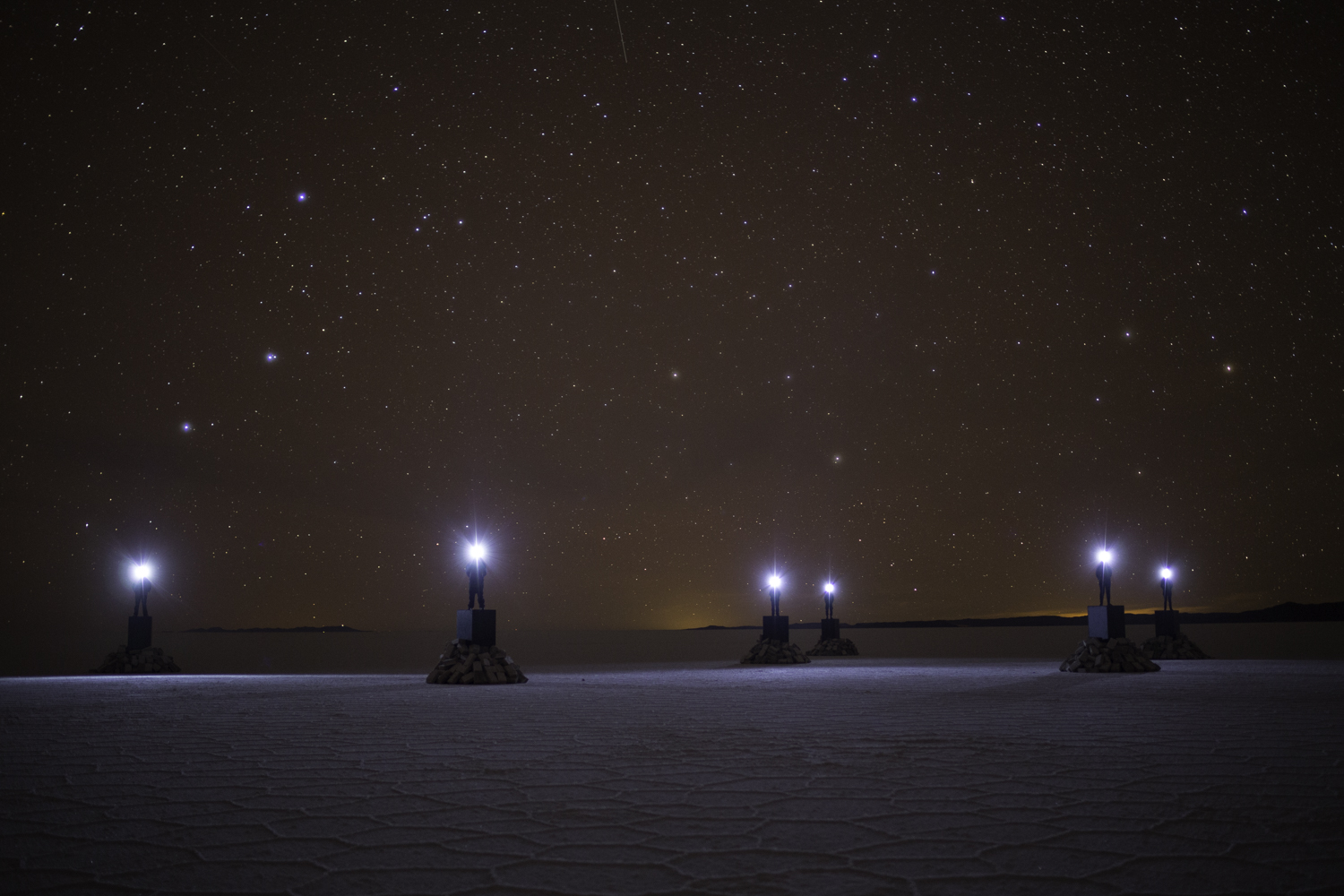
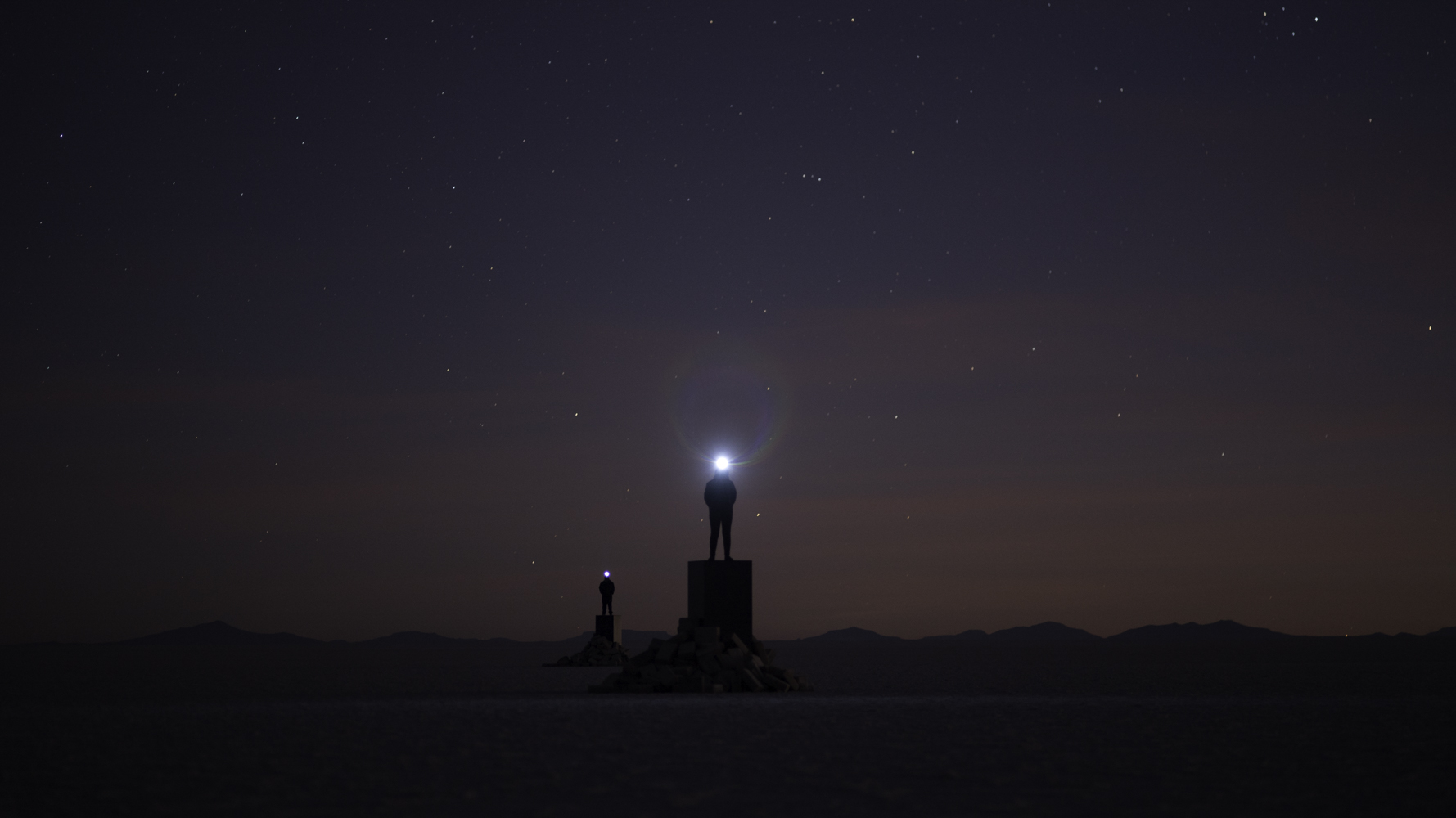
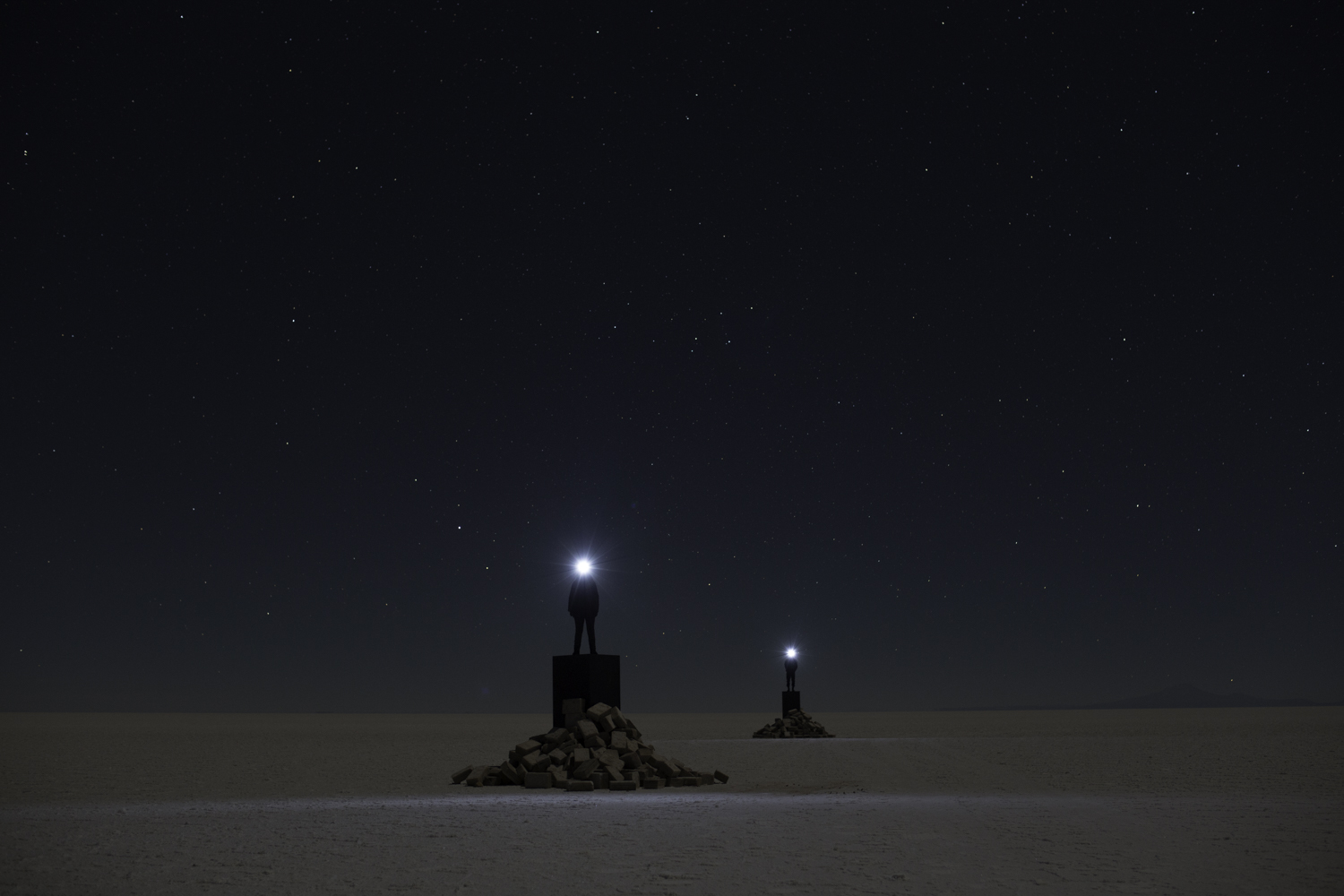
The cycle of intensity, XX Día #XX, Inkjet, 150 cm x 220 cm
Salar de Uyuni, Bolivia, 2017
The Cycle of Intensity – Bolivia (2018) explores the sublime and fragile scale of human presence within extreme natural territories. Conceptualized and directed by Charly Nijensohn, the project was developed in the vast expanse of the Salar de Uyuni. This work carries historical and conceptual roots that trace back to Un acto de intensidad (An Act of Intensity), a seminal piece realized in 1998 by the historic Argentine artist collective Ar Detroy (Leandro Pérez, Ariel Pumares, Marcelo Valiente, Miguel Mitlag, Carlo Pelella, Juan Manuel Salas, and Charly Nijensohn).

Regeneration Strategies, Das Leben findet seinen Weg #129, Inkjet, 150 cm x 220 cm
Valle de Zonda, Cordillera de los Andes, 2025
Regeneration Strategies provides habitats that promote regional biodiversity through artistic installations designed to foster the proliferation of animal populations within the ecosystem. The project consists of a network of research stations stretching along the Andes Mountain Range, constructed from raw earth sculptures specifically designed to offer shelter to regional and migratory wildlife.
Central to this initiative is «The Borghi Report: Das Leben findet seinen Weg» (Life Finds Its Way), a scientific document by Dr. Carlos Borghi that comprehensively archives and analyzes the ecological evolution of this sustainable system in the Zonda Valley, San Juan.

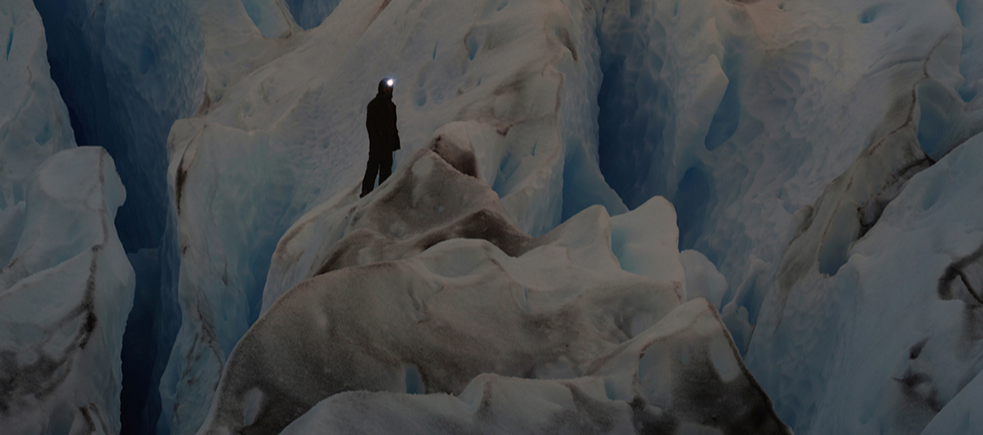
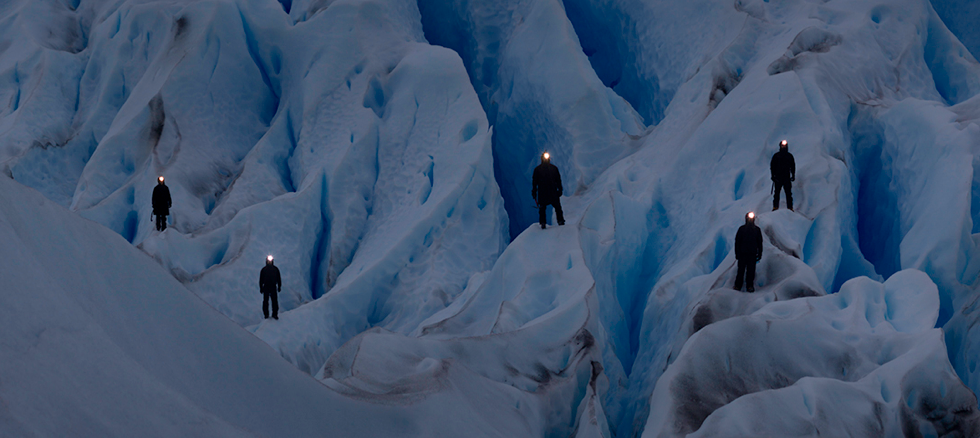
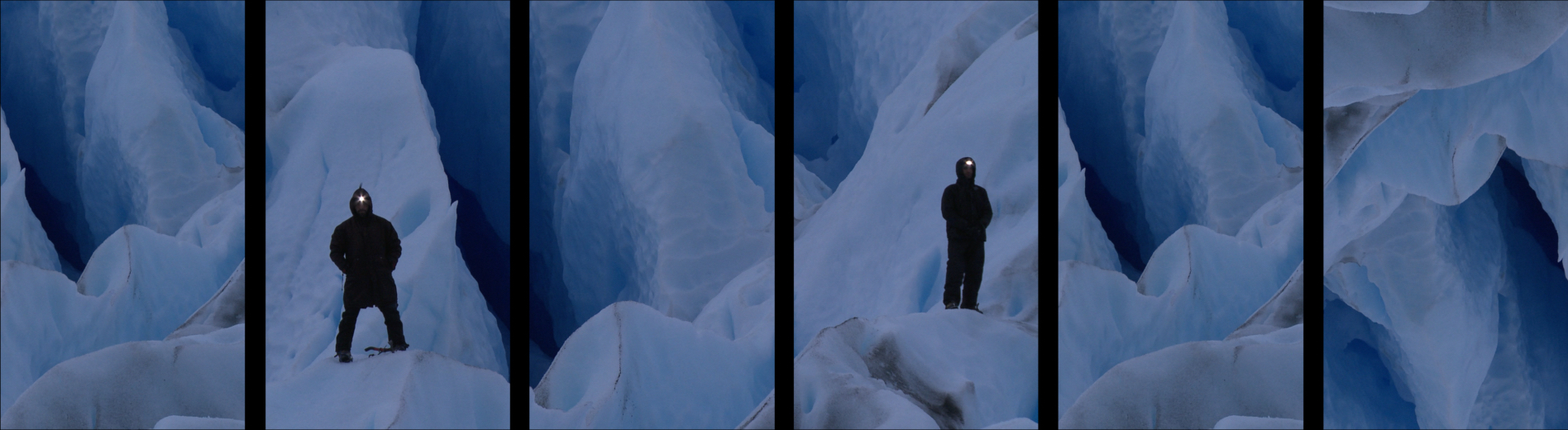
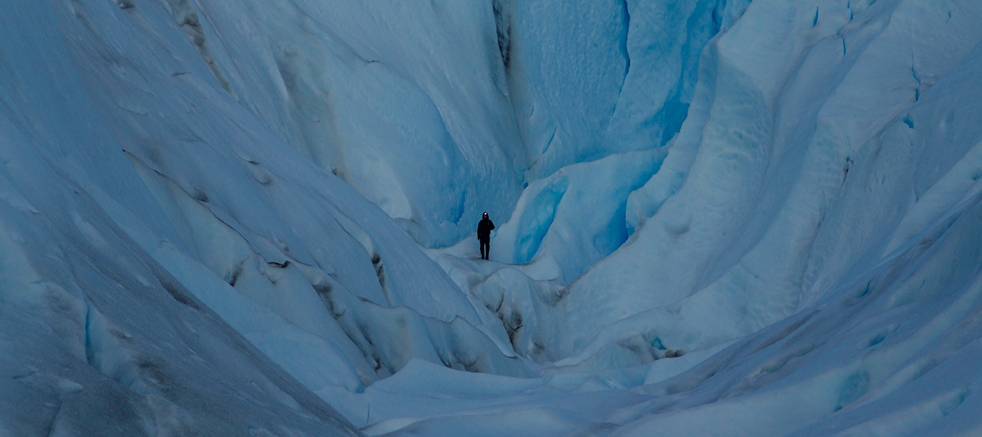
Patagonian Ice Fields, Exodus of the forgotten 12vo Dia #XX, Inkjet, 150 cm x 240 cm
Patagonian Ice Fields, South America, 2011
In the far reaches of the southern hemisphere, where the Patagonian Ice Fields stretch as one of the largest mantles of frozen water on the planet outside the polar regions, time does not pass linearly; it is measured in retreat and disappearance. Exodus of the Forgotten is a visual document and a political statement of absolute urgency, capturing the accelerated decline of these frozen giants—ecosystems in critical danger under the pressure of the Anthropocene.
The photographic series follows the journey of a high-mountain rescue team, venturing into a territory where human survival depends on the precise reading of a nature in constant collapse. This chronicle operates not merely as a documentary record, but as an existential metaphor: the rescue team is no longer just searching for human lives lost in the vastness; they become witnesses to the loss of the Earth’s own memory. The calving of the glaciers is the silent exodus of an ancestral witness vanishing in the face of political and corporate inaction.
Confronting the monumental scale of the landscape with the vulnerability of the human figure, these photographs translate the climate crisis into a profound sensory experience. Far from a static background, the Patagonian ice is approached as a living organism in agony. Patagonian Ice Fields exposes the fragility of natural borders and the imperative need to legally and effectively protect these sanctuaries of biodiversity and fresh water before they are permanently confined to oblivion.
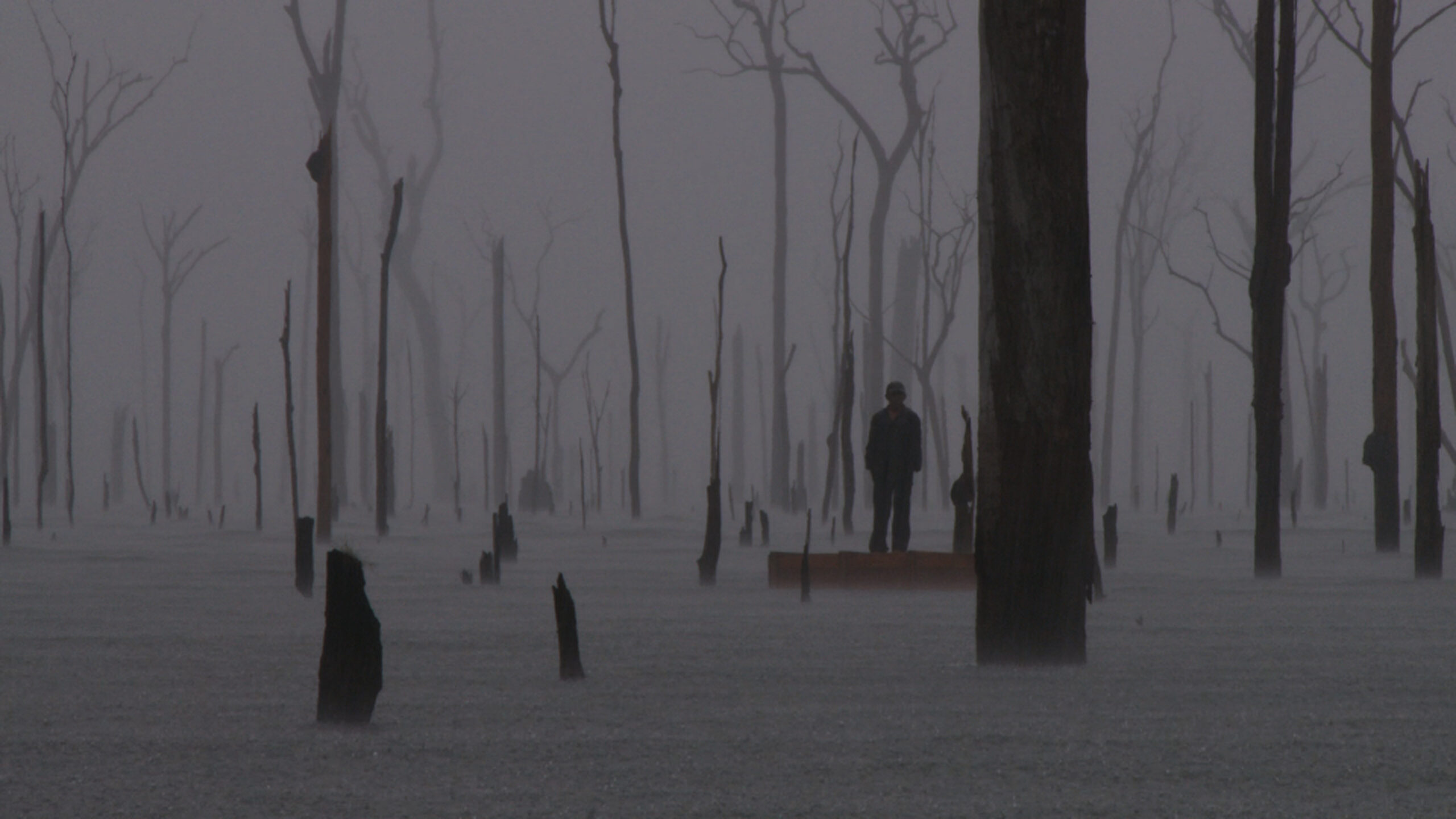
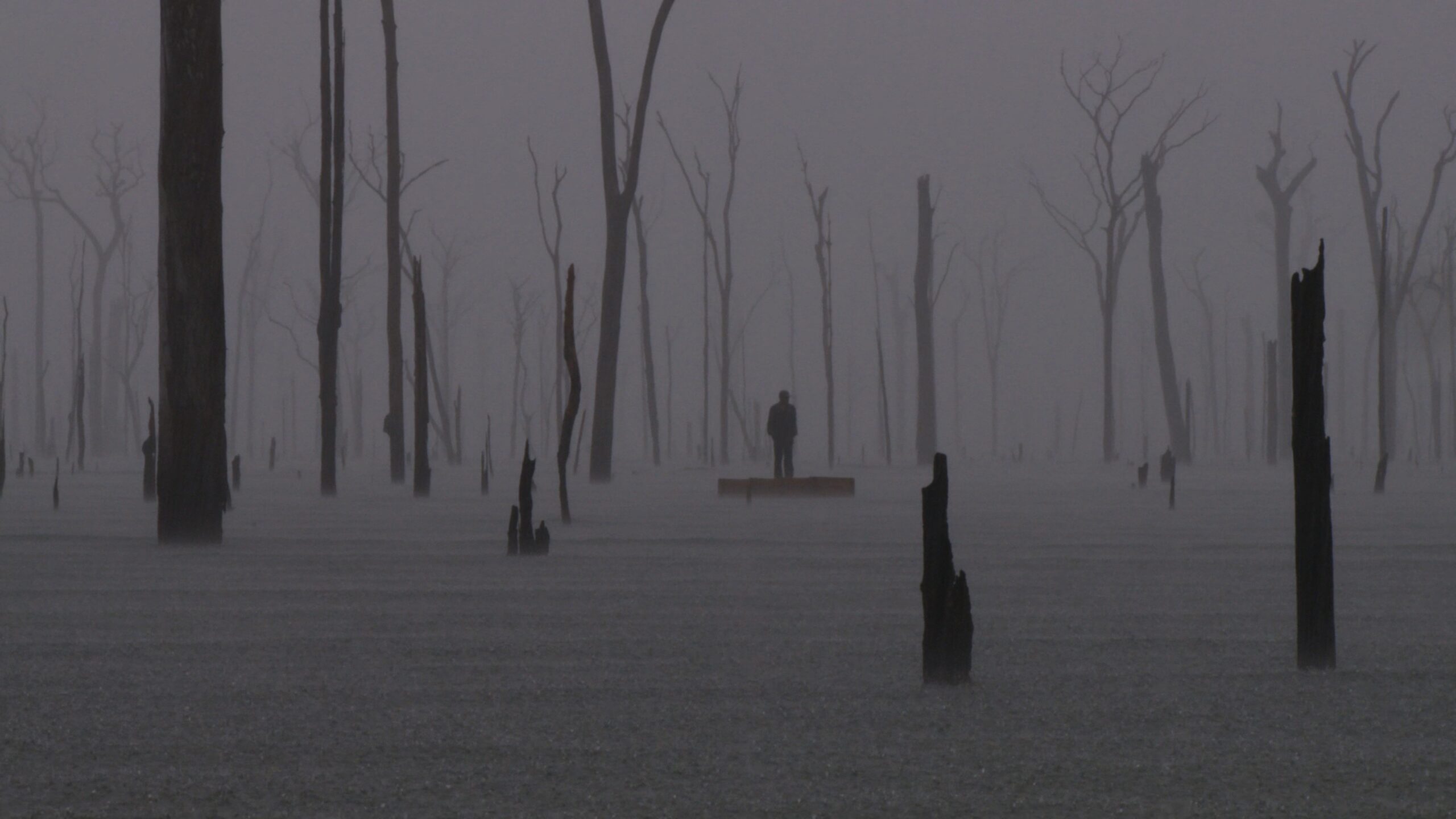
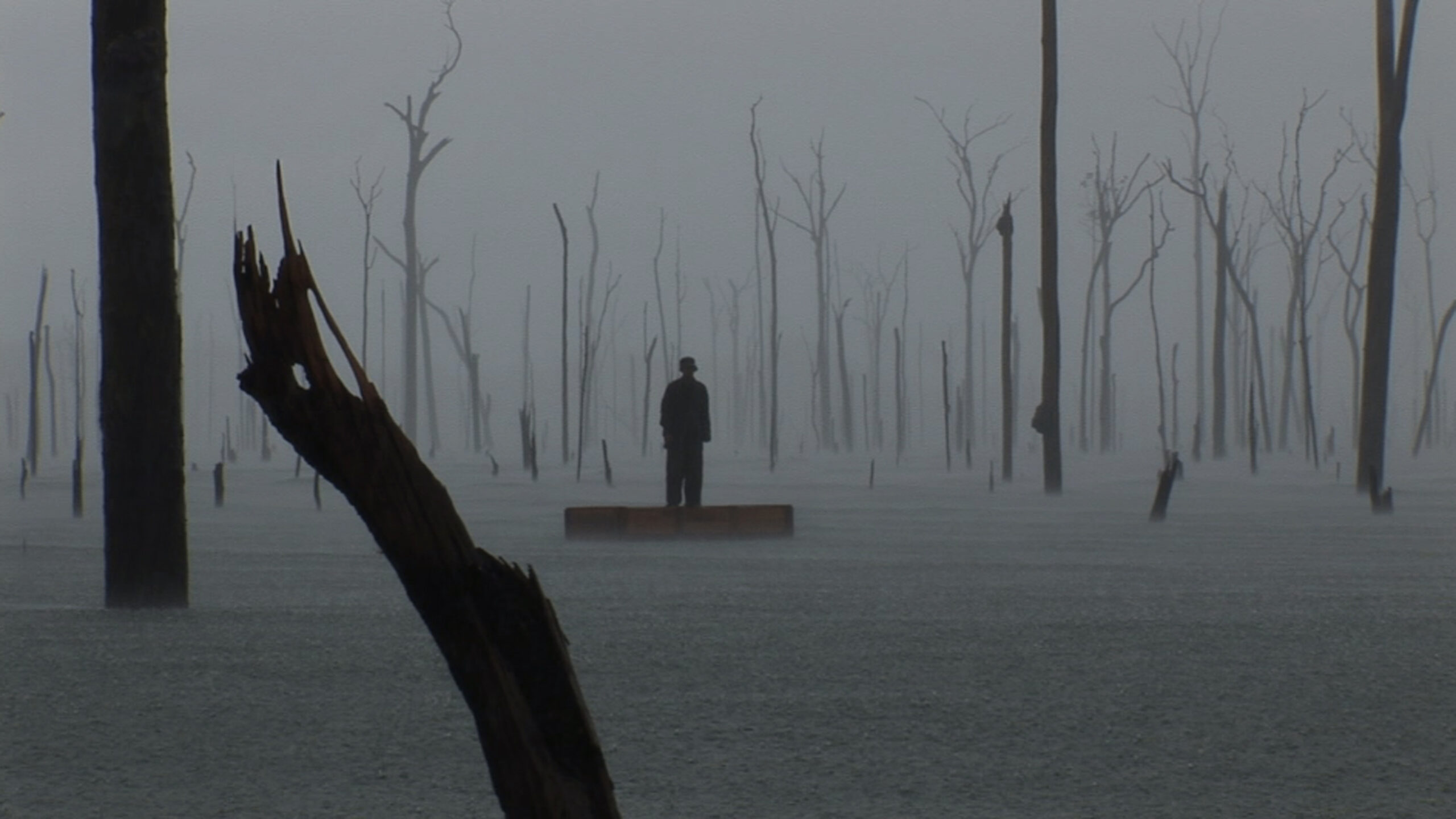
The photographic series of Dead Forest documents the aftermath of the environmental devastation along the Uatumã River in Amazonia. By focusing on the dead tree trunks rising from the artificial lake, these images bypass any traditional representation of the rainforest. The lens records the reality of a devastated territory, capturing the relationship between the submerged forest and the human figures floating at a drift.
Through the control of frame and exposure, the photographs present an ecological catastrophe as a space of minimalist contemplation. The details of the weathered bark and the atmosphere of the oncoming storm create a landscape where time appears suspended. These prints do not merely document a geography; they function as quiet testaments to collective memory, preserving the trace of an ancestral territory altered by human interference.
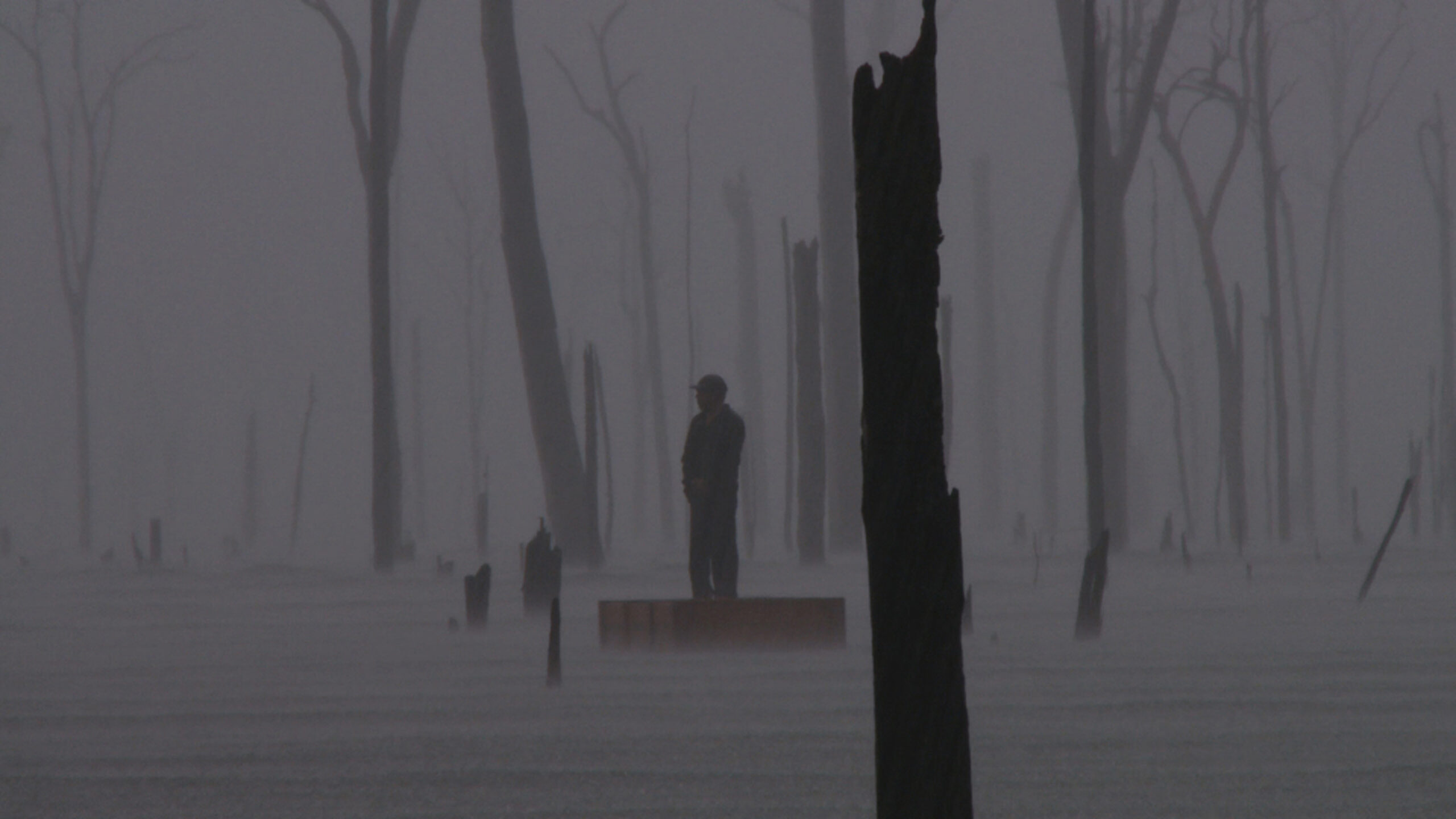
Dead Forest #04, Inkjet, 150 cm x 220 cm
Uatumã River, Amazonia, 2009