Patagonian Ice Fields
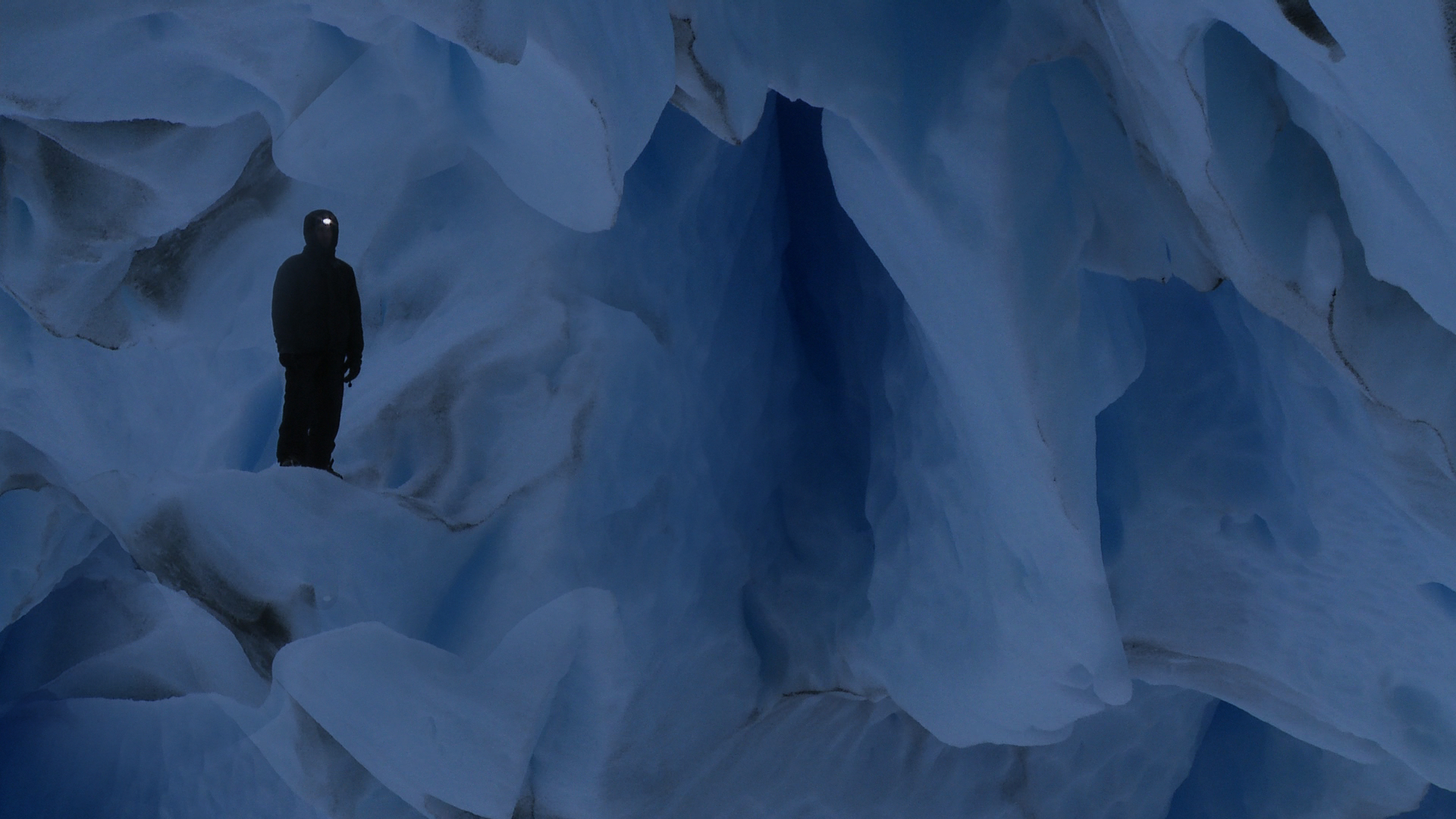
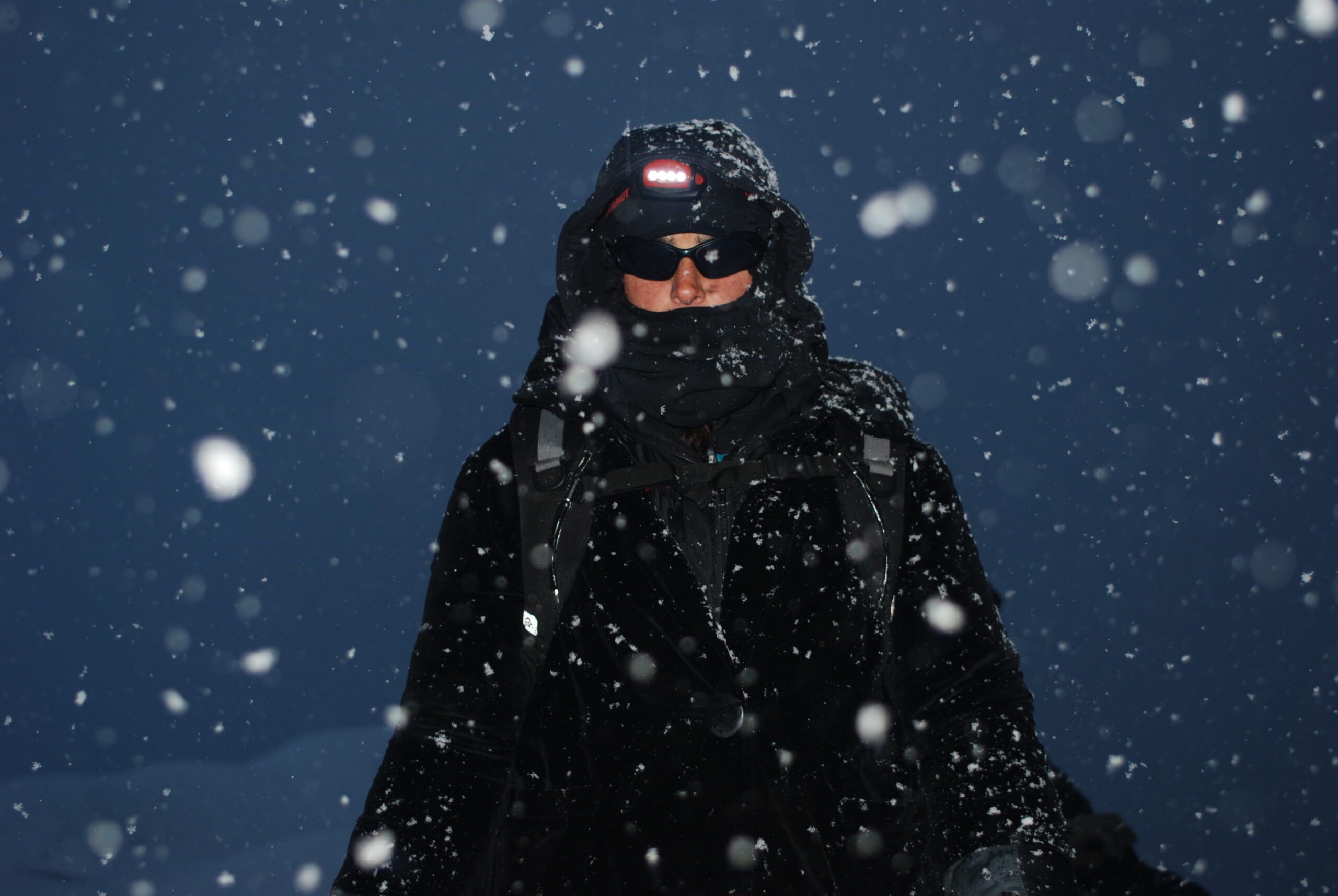
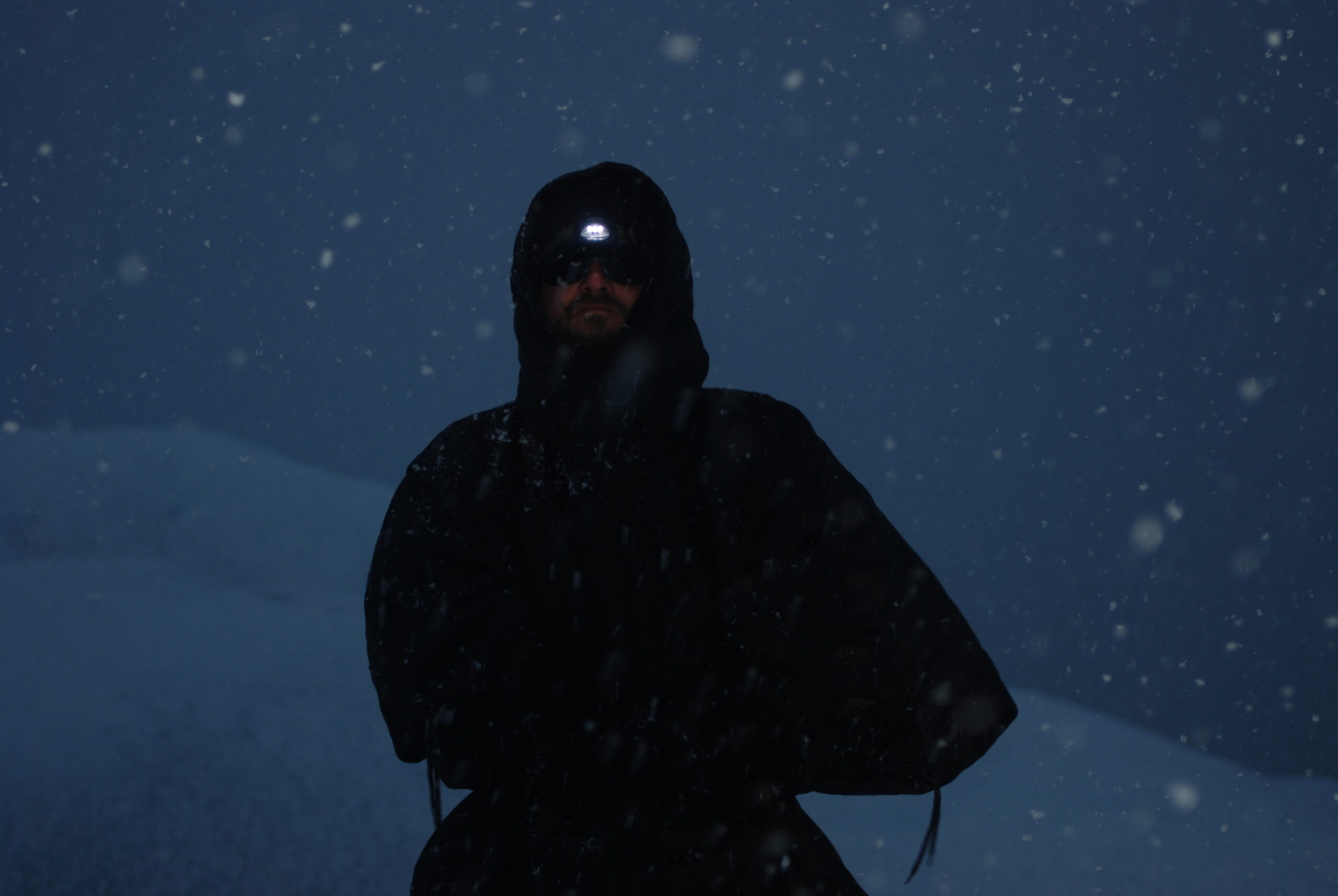
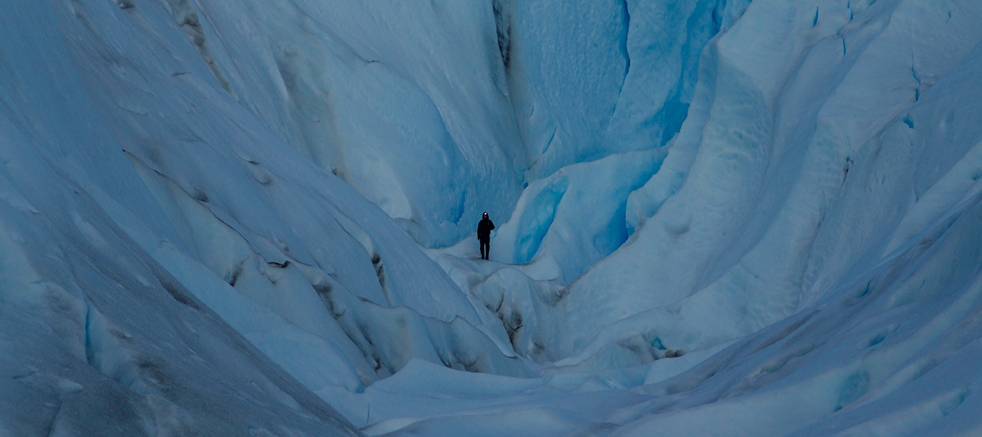
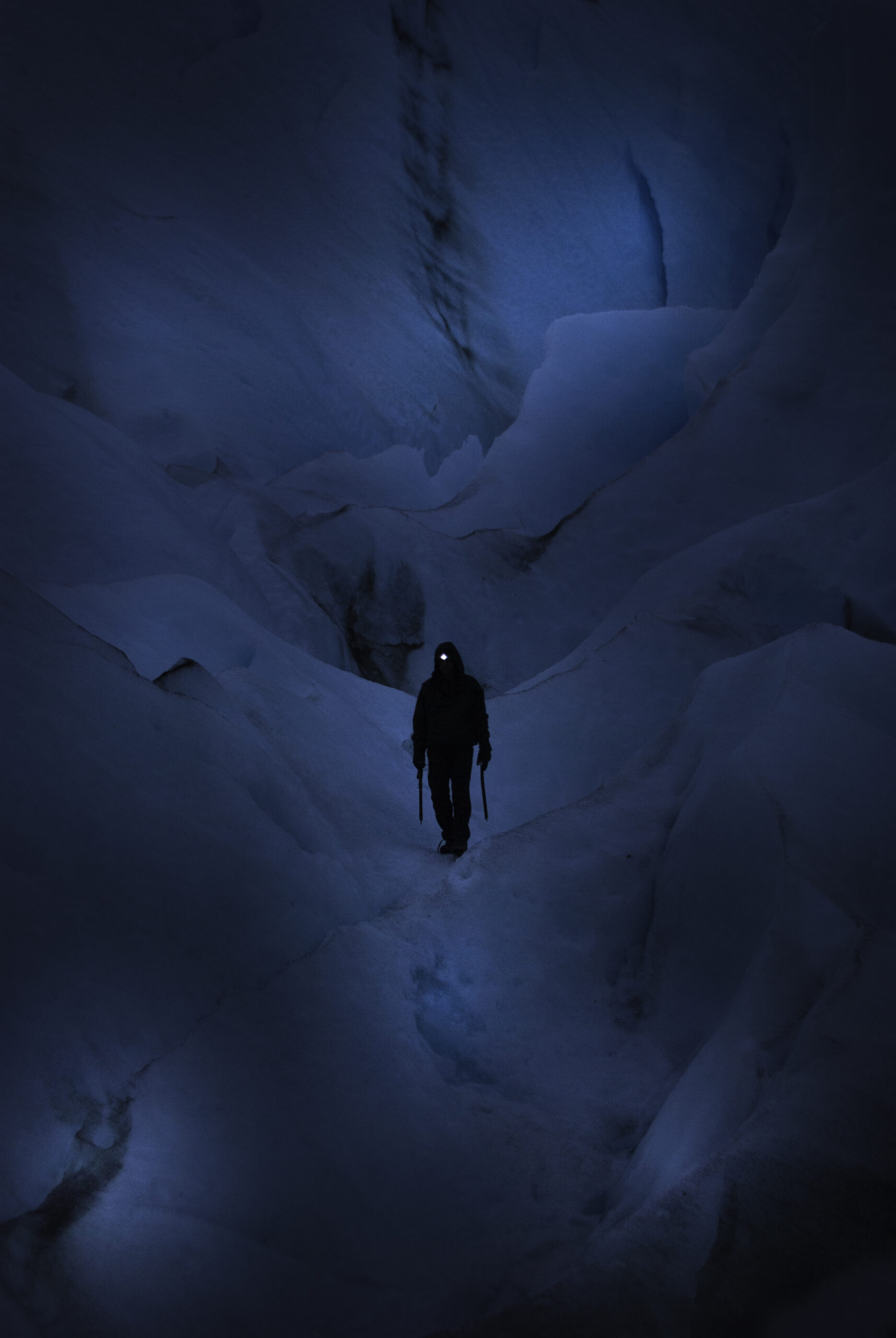
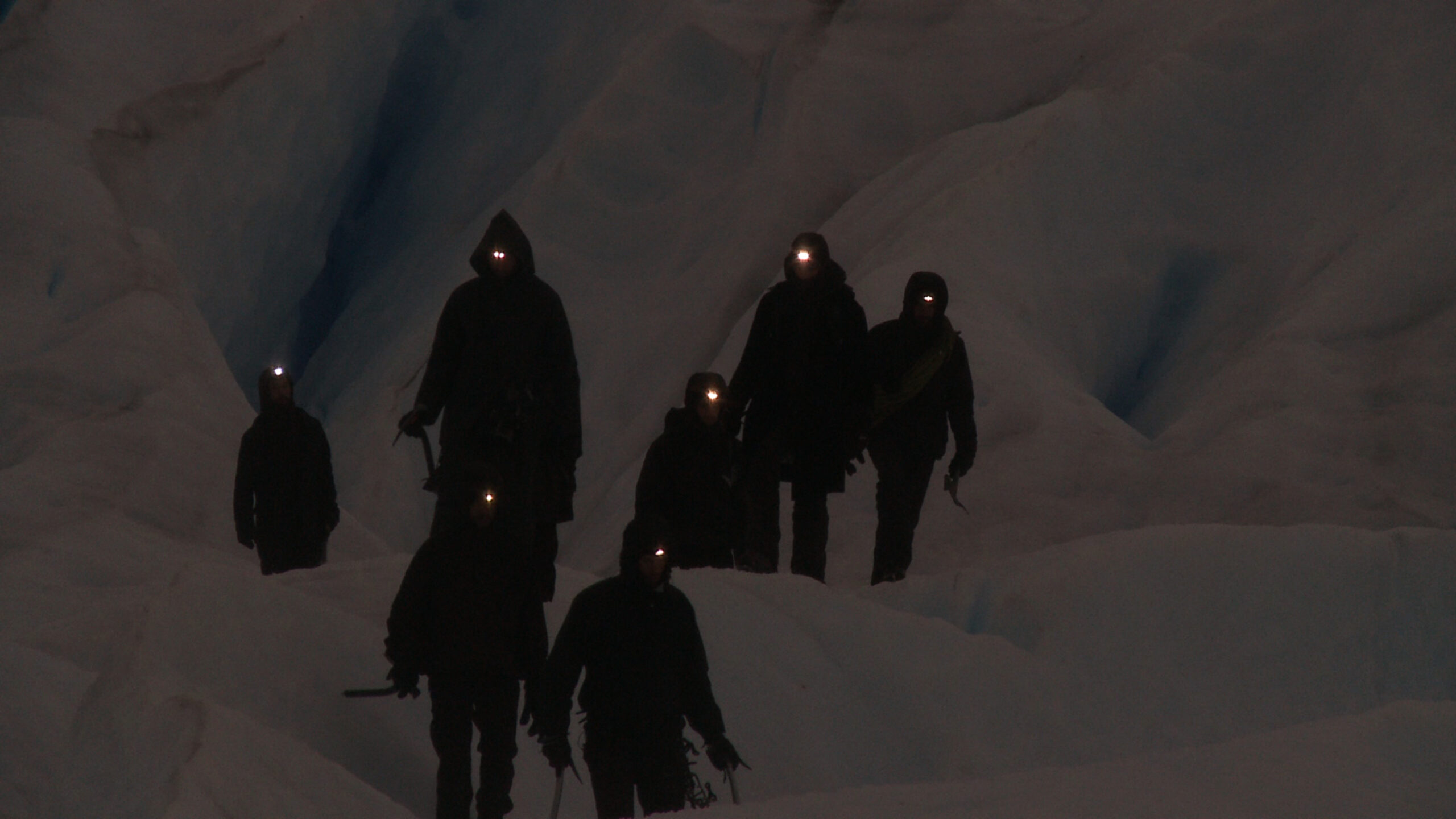
El éxodo de los olvidados (Patagonian Ice Fields, 2011) delves into the vast, inaccessible frozen deserts of the southern Andes, the largest continental ice mass in South America. Against this monumental backdrop, a group of solitary figures appears lost within an unstable labyrinth of shifting ice, embodying the human impulse to venture into unknown territories at the edge of the world. Far from being an inert or unchanging white spot on the map, the landscape is captured as a living, mutating entity. In an era marked by the accelerated retreat and permanent disappearance of Patagonian glaciers due to global climate crises, the installation stands as a powerful political and ecological monument. It captures a fleeting topography that is actively vanishing under the pressure of human interference, transforming a historical expanse of ice into a fragile symbol of loss.

El éxodo de los olvidados
Patagonian Ice Fields, 2011
Working Process & Expedition Logistics
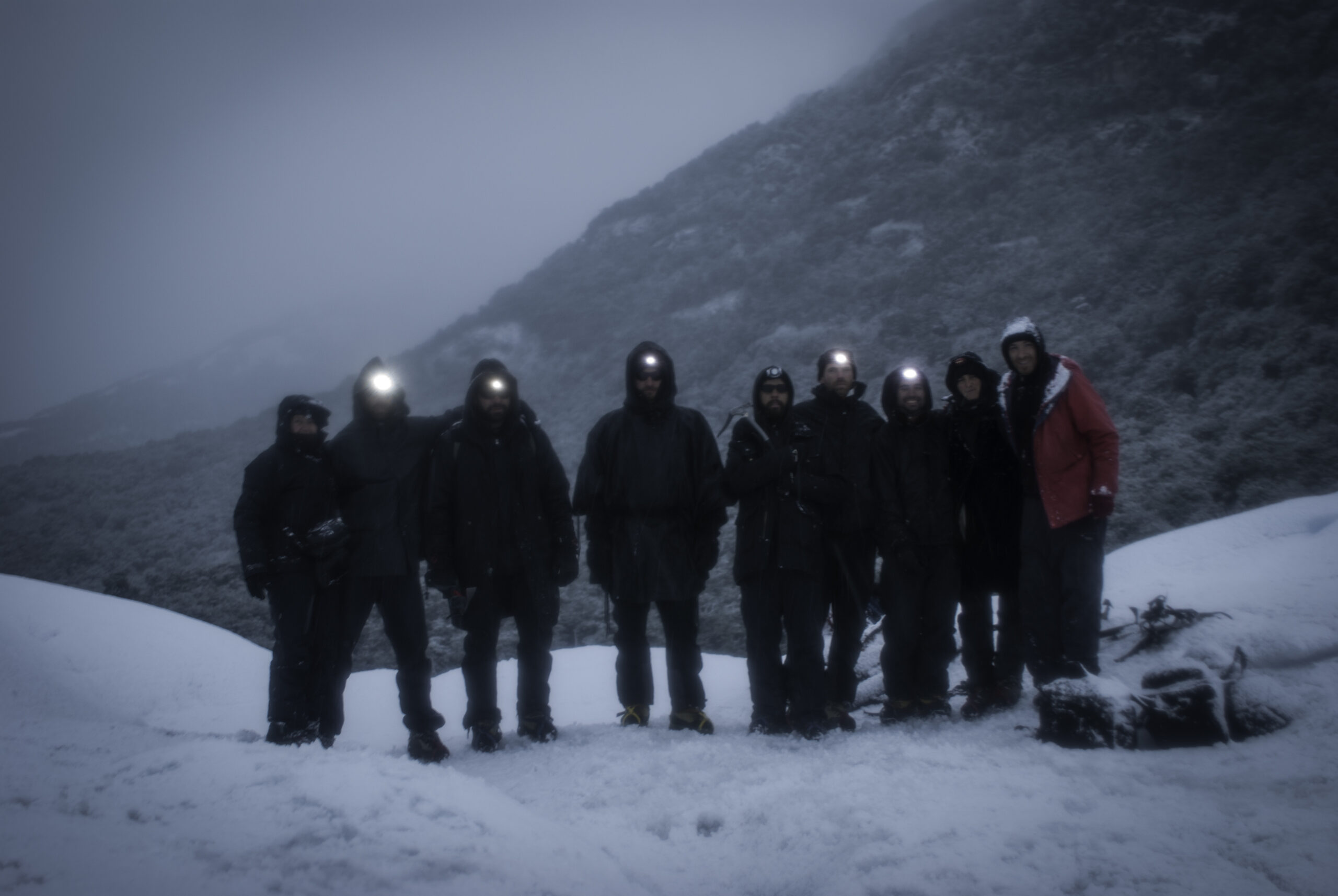
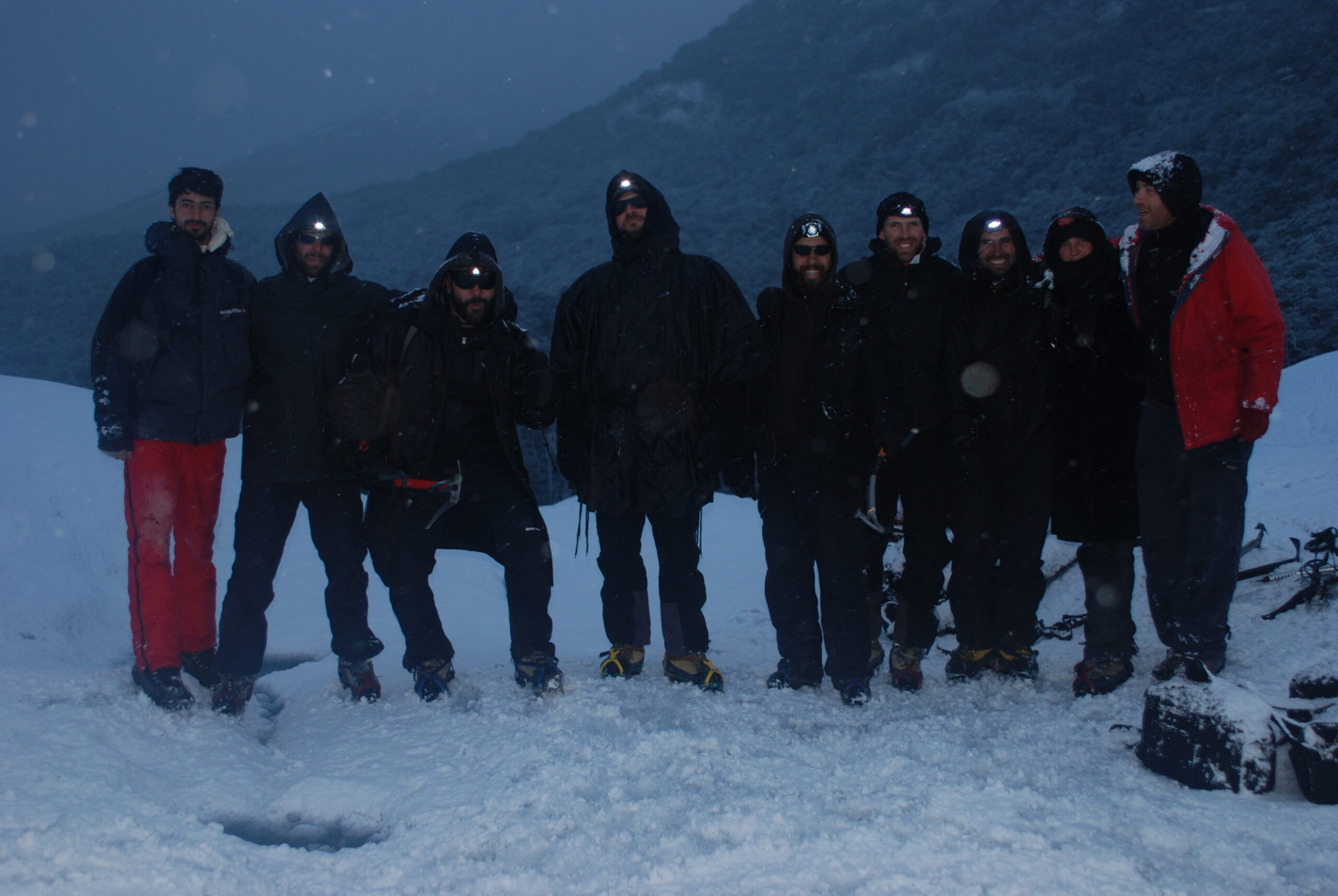
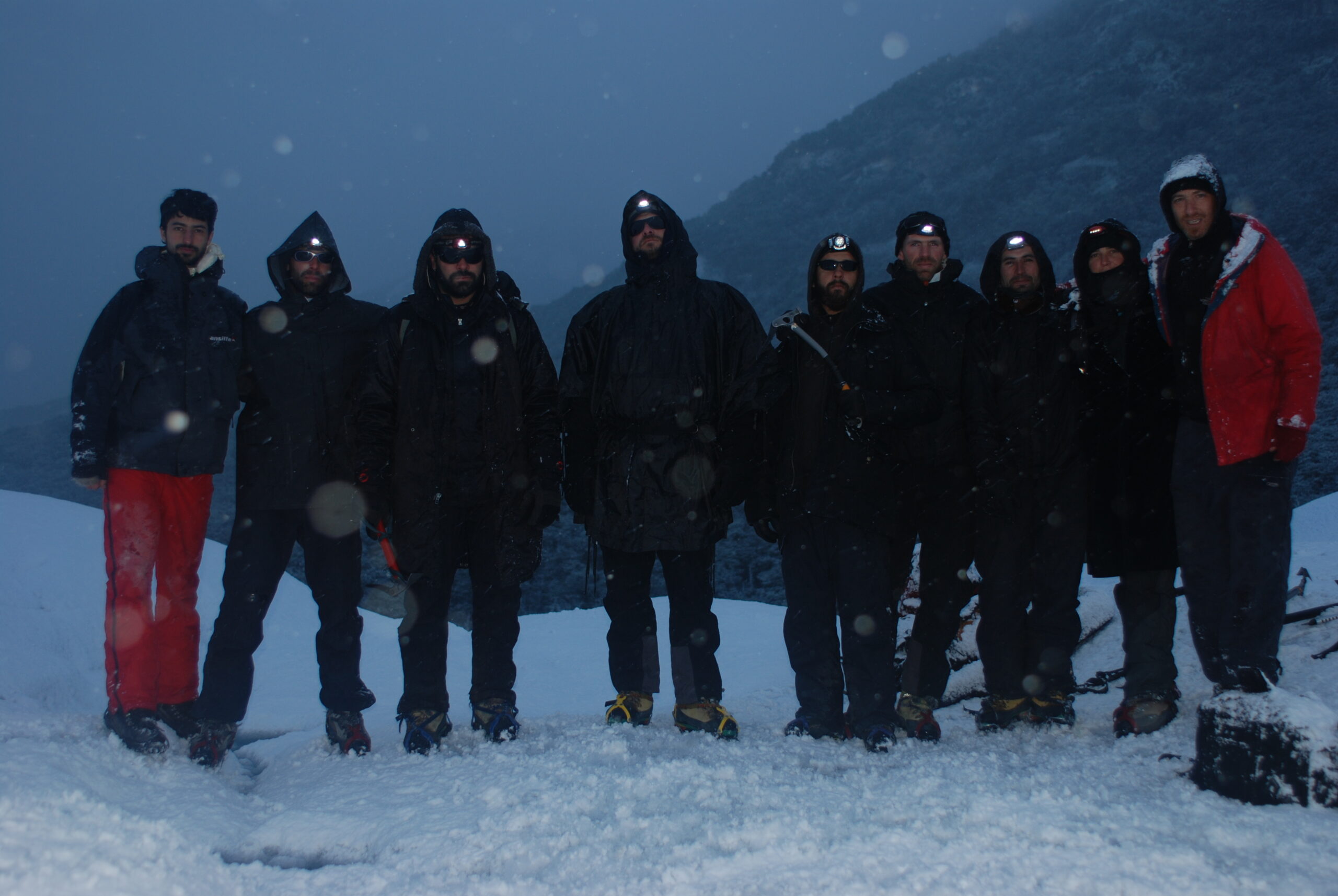
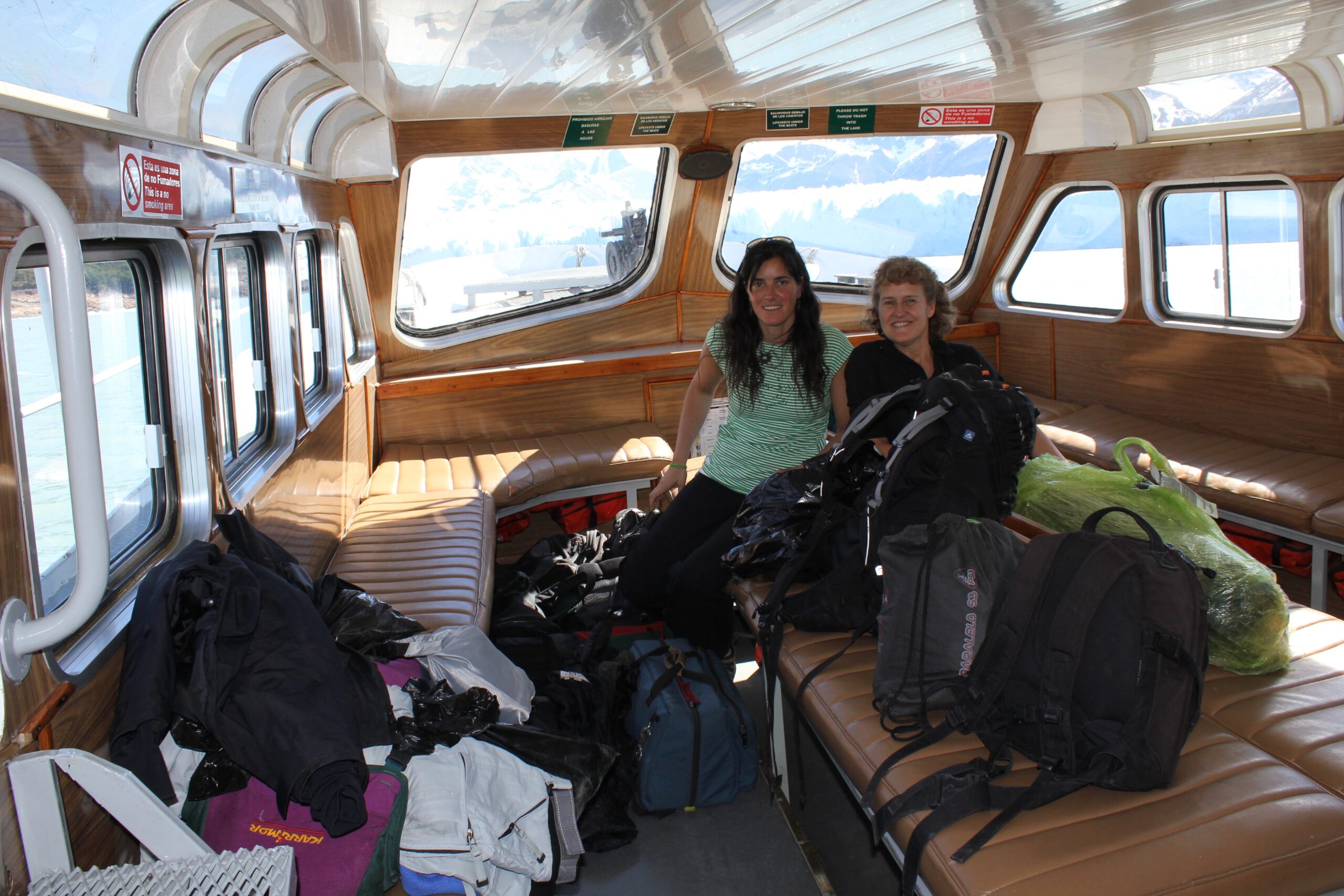
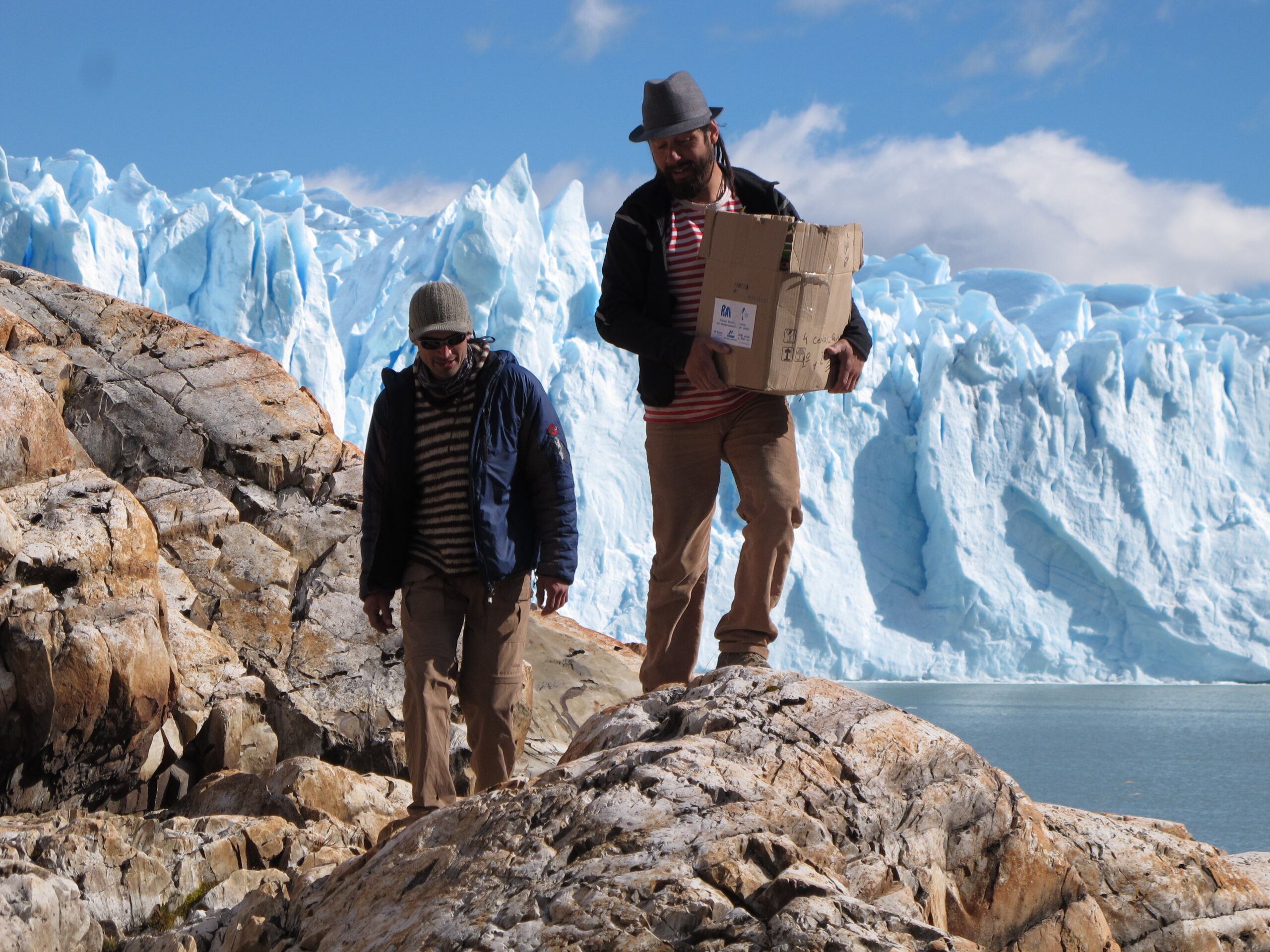
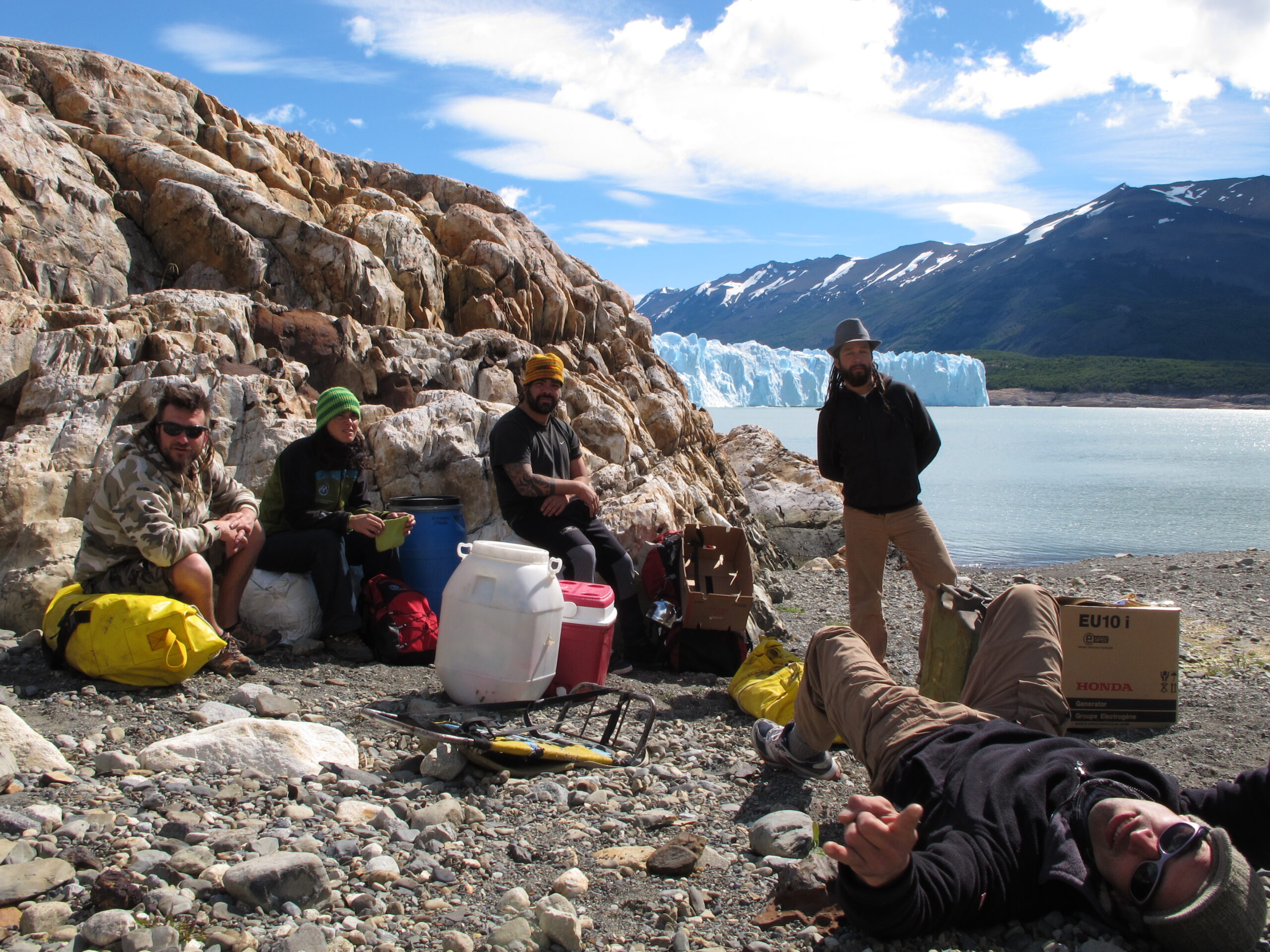
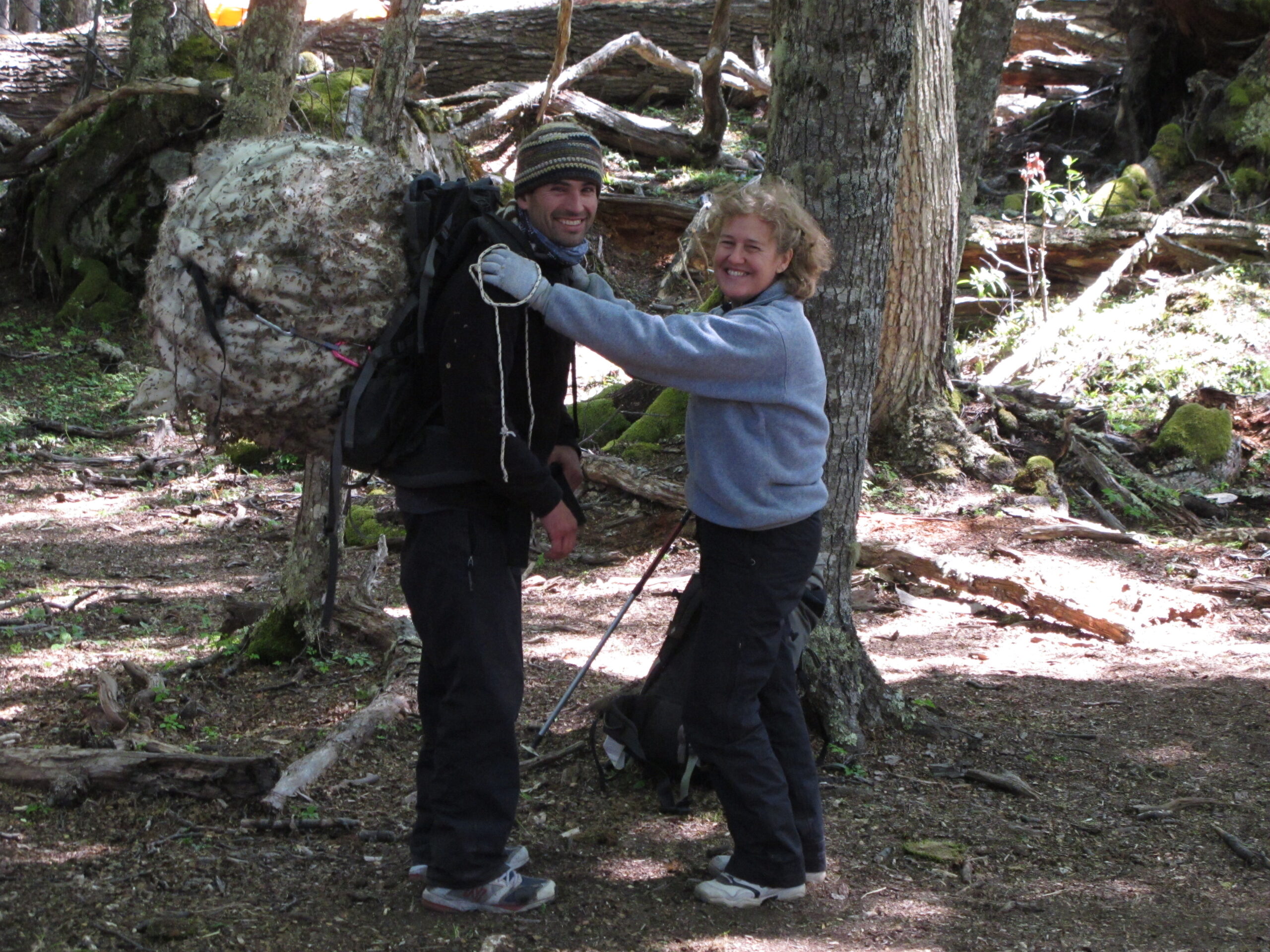
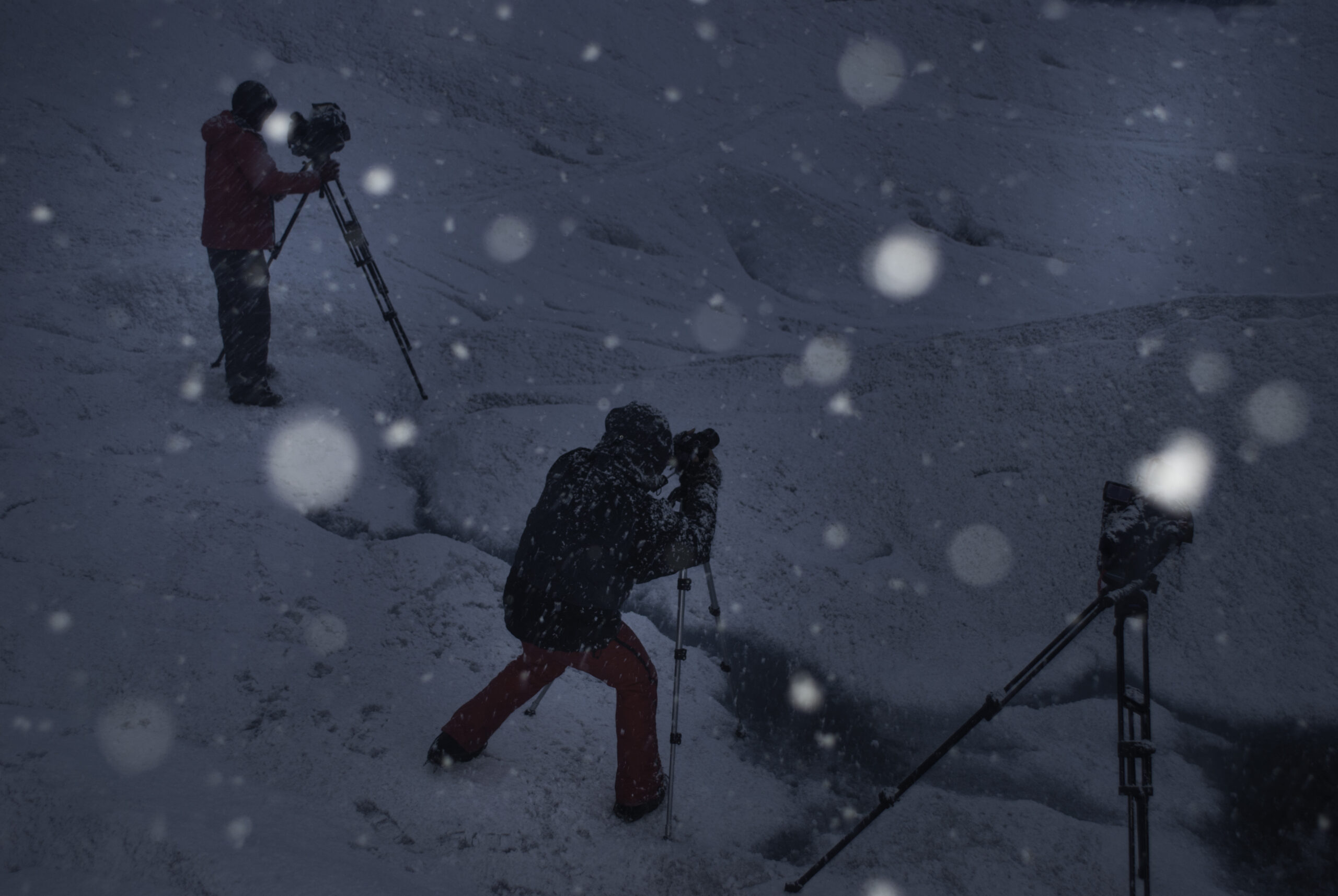
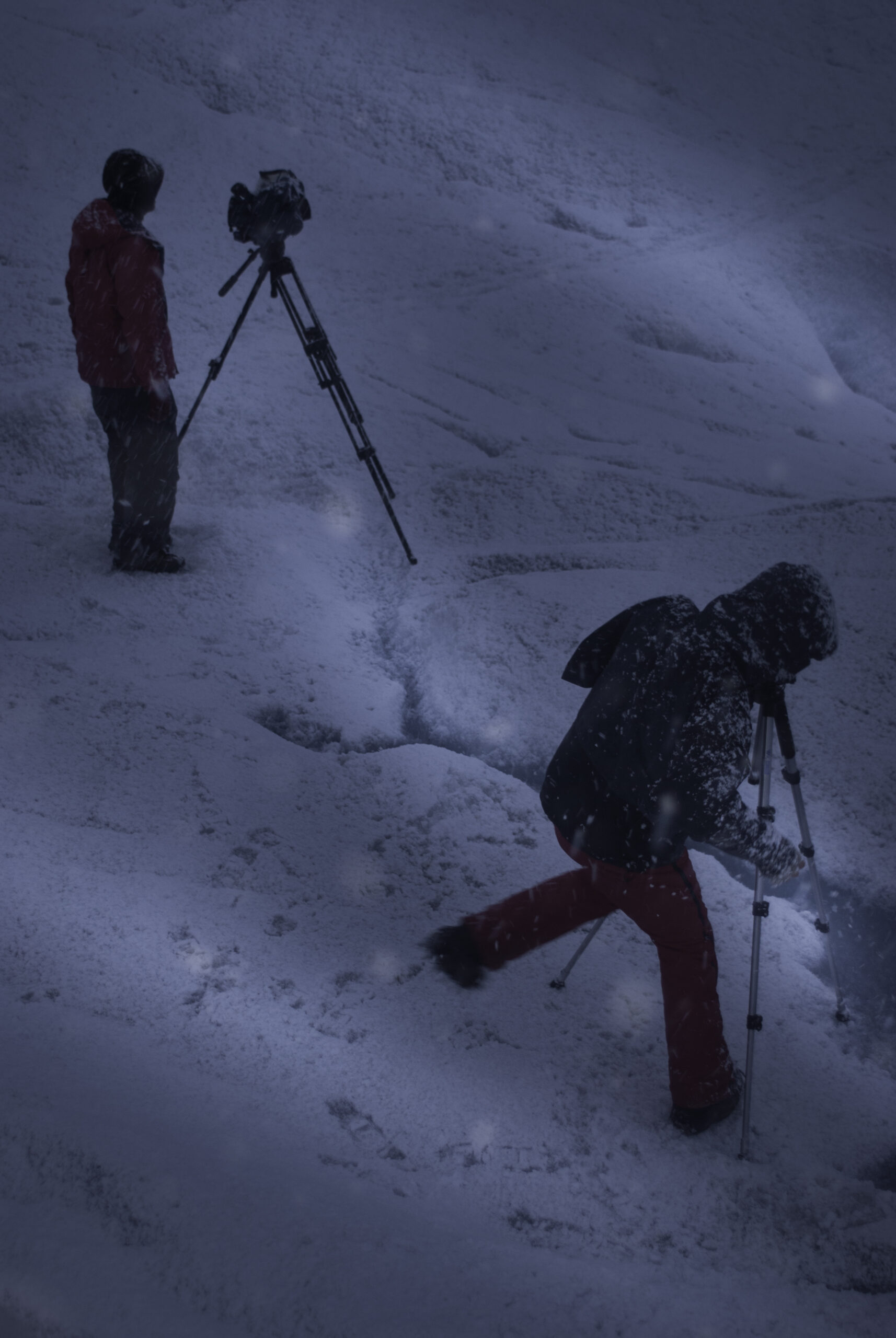
Executing an artistic production in such an extreme and perilous environment required an intricate logistical network. The expedition was spearheaded and masterfully directed by Luli Gaviña, a renowned high-altitude mountaineer whose deep expertise allowed the crew and a team of seasoned climbers—including members of the high-mountain rescue team from El Chaltén—to safely navigate the unstable glacial terrain.
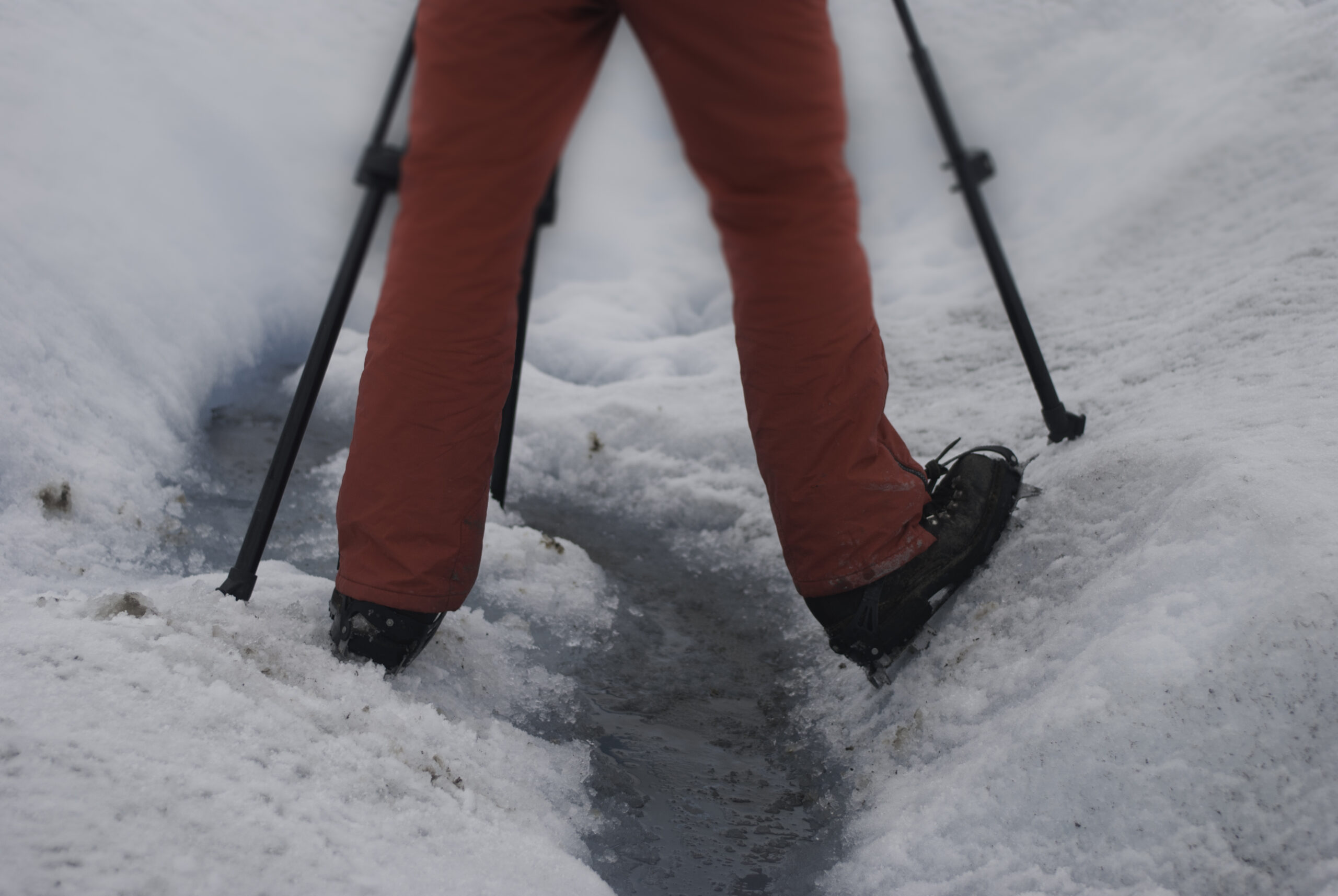
Production logistics entailed moving in absolute darkness, hauling power generators, safety gear, and heavy camera equipment across crevasses. Operating strictly during sunrise and sunset to capture the rapid mutations of light, the static camera itself became a physical body vulnerable to the elements, constantly struck by driven snow on an unstable terrain that threatened to collapse underfoot at any moment.
El éxodo de los olvidados
Patagonian Ice Fields, 2011
El éxodo de los olvidados
Patagonian Ice Fields, 2011
El éxodo de los olvidados
Patagonian Ice Fields, 2011
Conceived as an immersive experience, the visual stillness of the camera contrasts sharply with a deeply sensory and raw audio landscape. Captured via recorders tucked directly into the glacial cracks, the soundscape strips away human voices to instead amplify the stark mechanics of survival: the rhythmic scraping of metal crampons on ice, ice axes striking the frozen crust, and heavy gear brushing against the wind. In the distance, the terrifying thunder of collapsing ice blocks echoes across the field. Through this tension between visual silence and sonic gravity, El éxodo de los olvidados creates an underlying suspicion of the dangers lurking just outside the frame, leaving the viewer suspended in a hypnotic confrontation with the sublime majesty and precarious future of the planetary ice.

El éxodo de los olvidados – 3er Día, Inkjet Print, 150 cm x 220 cm
Patagonian Ice Fields, 2011
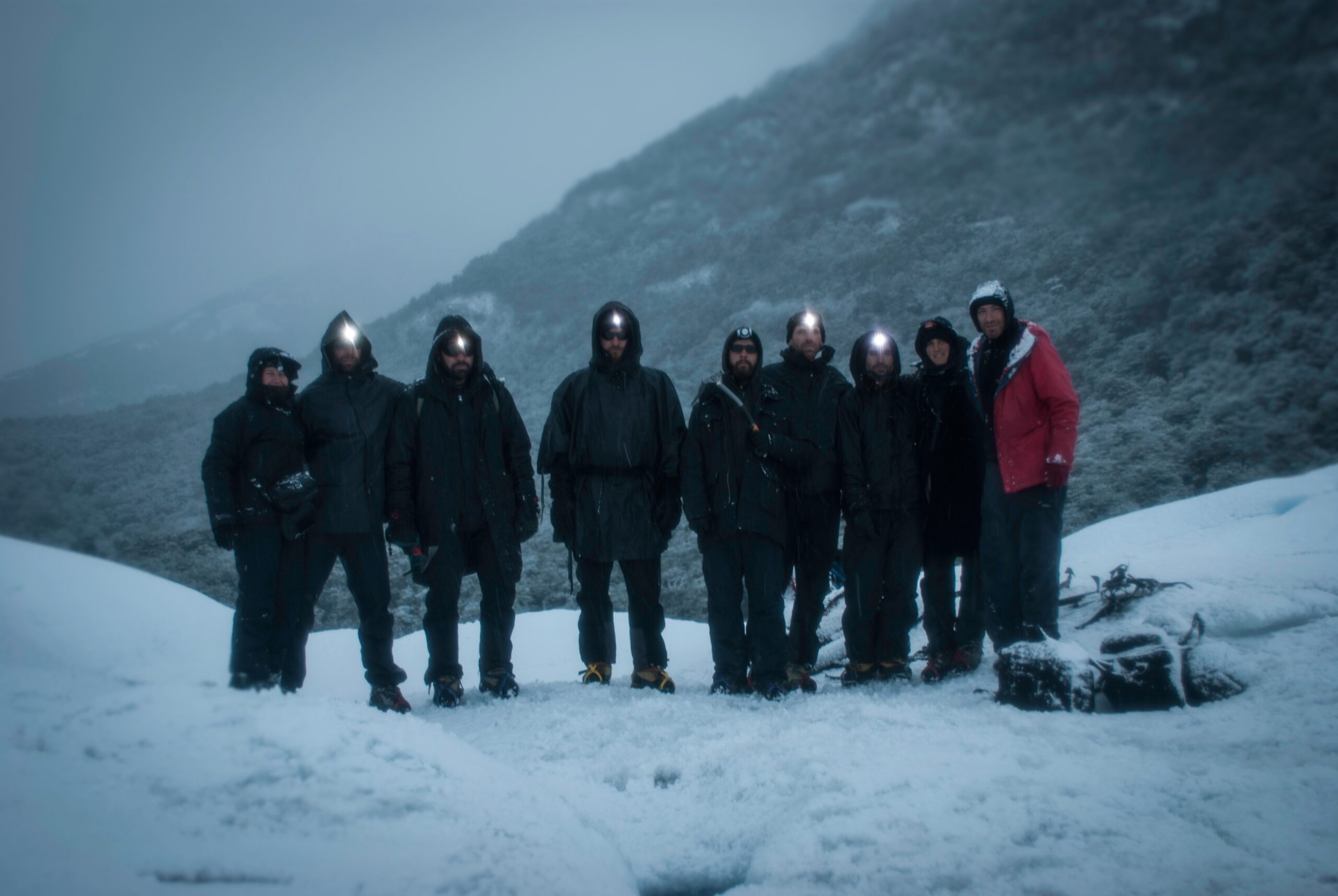

El éxodo de los olvidados, Inkjet Print, 150 cm x 220 cm
Patagonian Ice Fields, 2011